In 1418, the followers of Jan Hus – a pro-Protestant priest advocating for reforms of the Catholic Church – rose in rebellion against the Holy Roman Emperor Sigismund, many of the monarchs of Europe, and of course the Holy Church. Despite these formidable opponents, the Hussites managed to defy their enemies for over a decade until the movement collapsed from internal fractures in 1433. Their efforts and especially their reknown war-leaders Jan Žižka remain a fixture of Czech history until today.
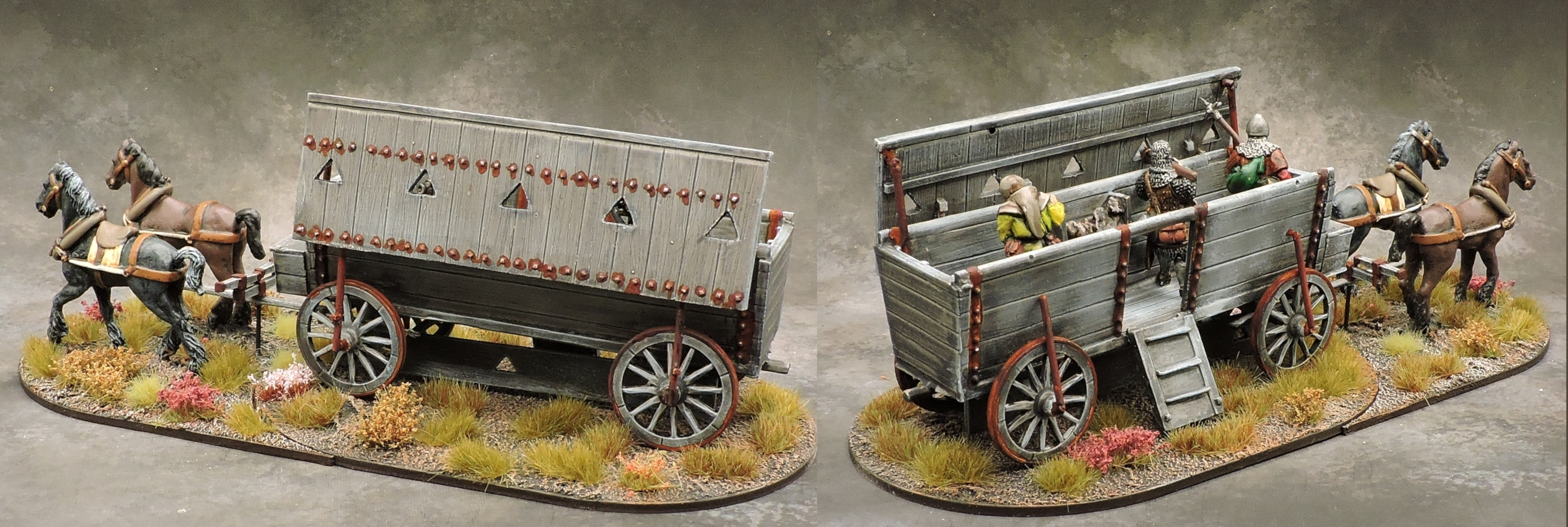
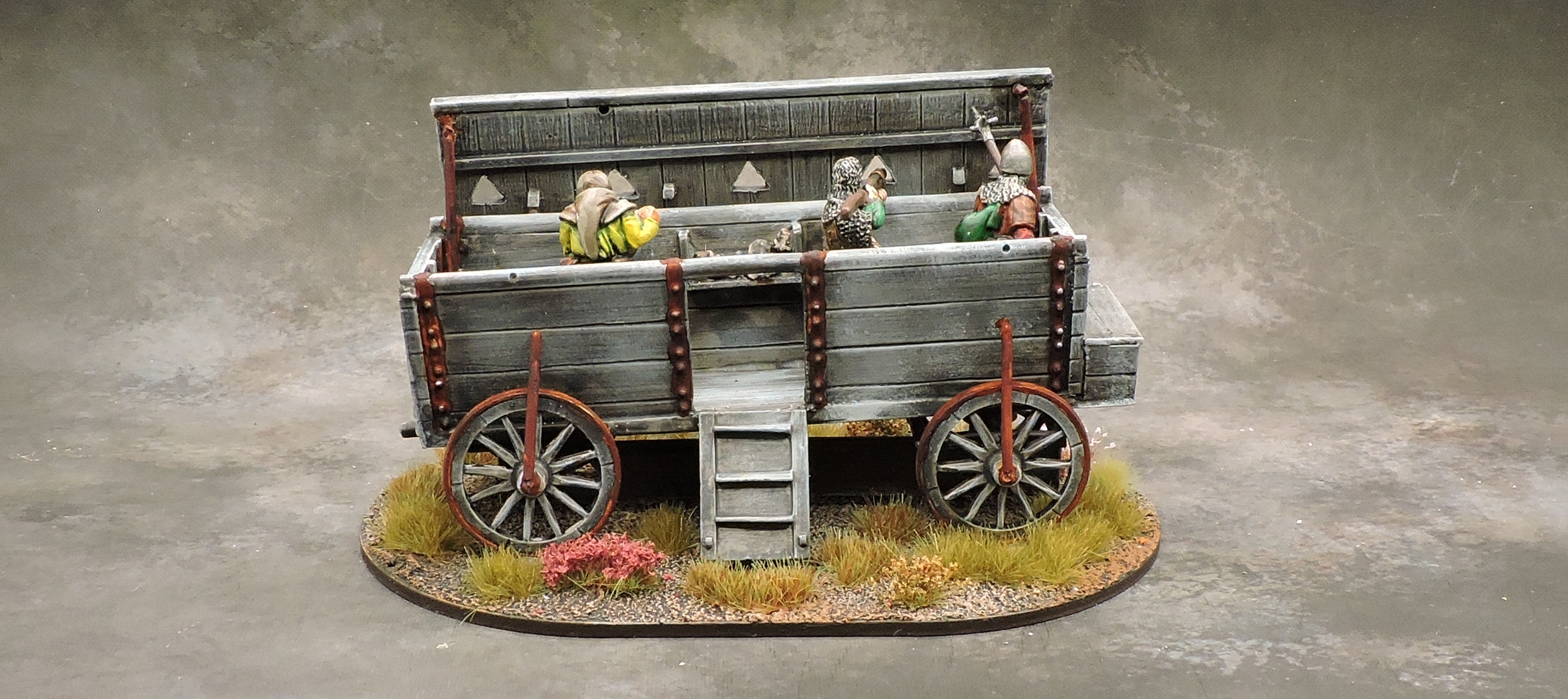
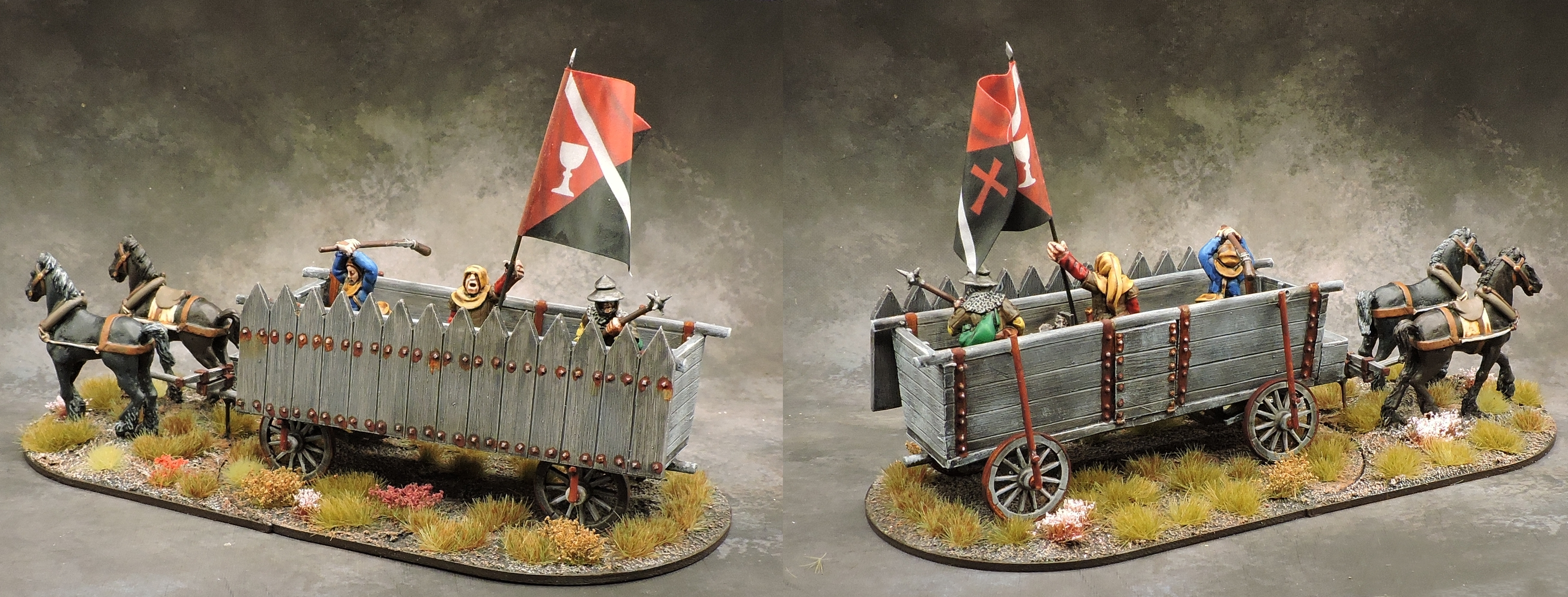
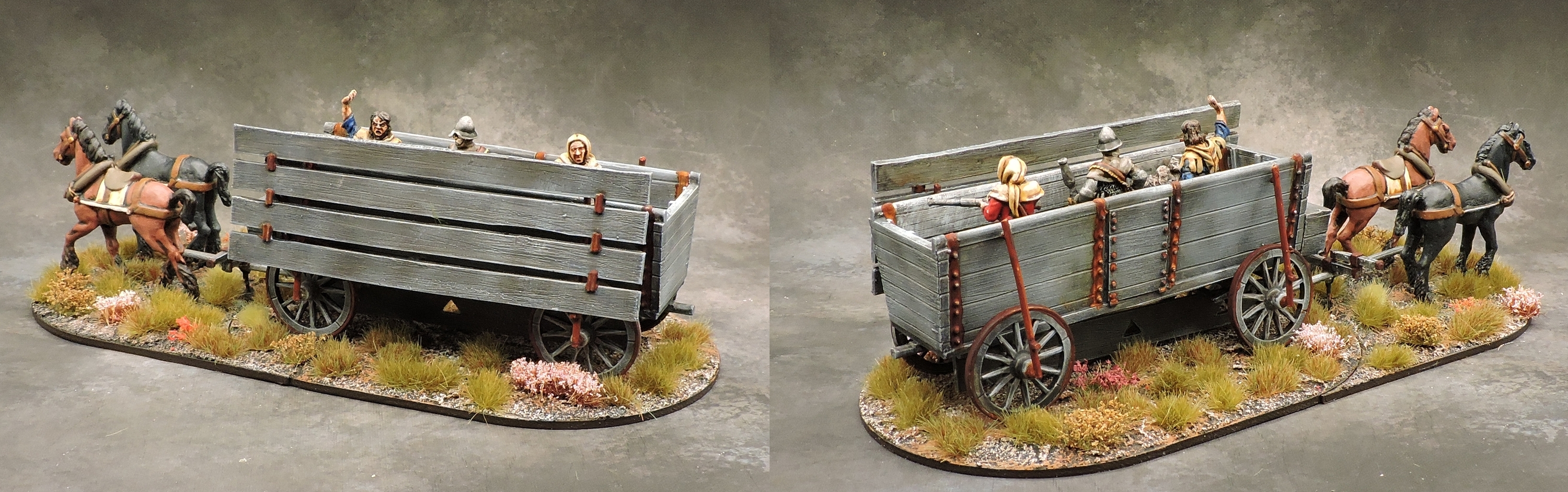
This force represents the Hussite rebels and their famous war wagons. The figures are all metal from Kingmaker, Claymore Castings, and a few Perry.
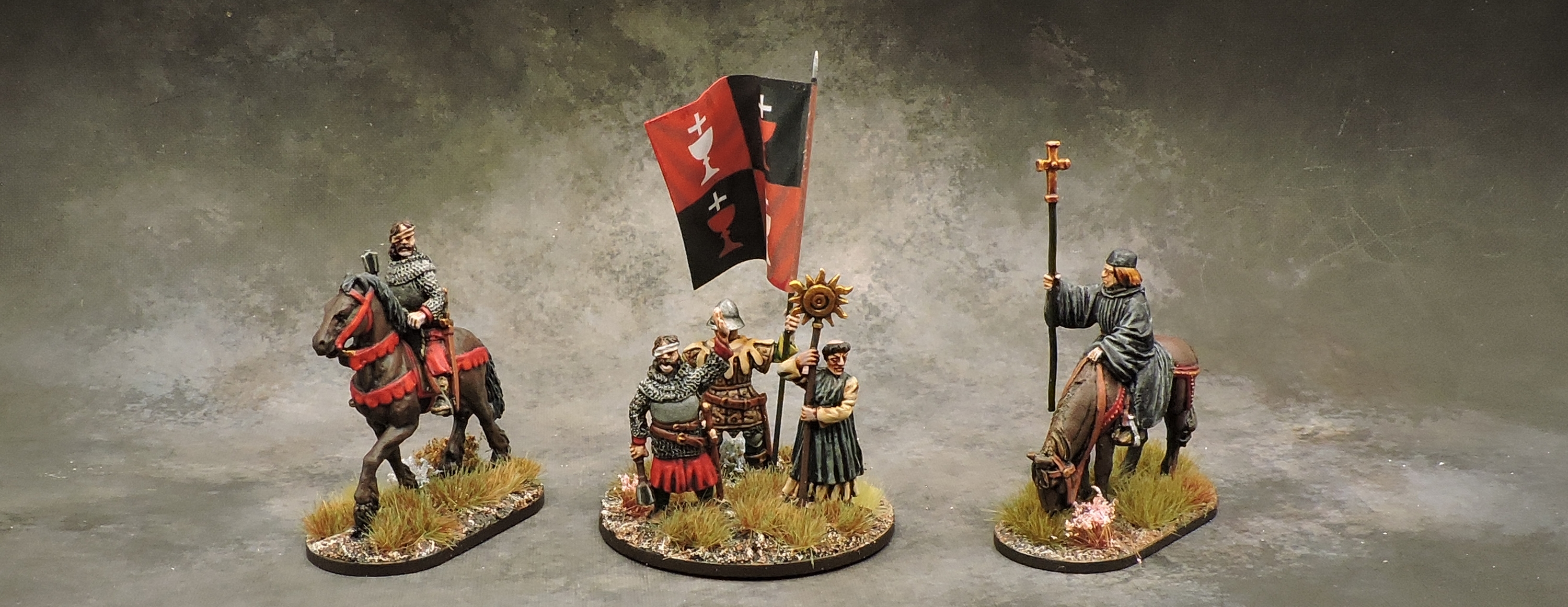
Leaders: The force can be lead by Jan Žižka on foot or dismounted, as well as a priest figure who could represent Jan Hus prior to the rebellion (he was executed in 1415).
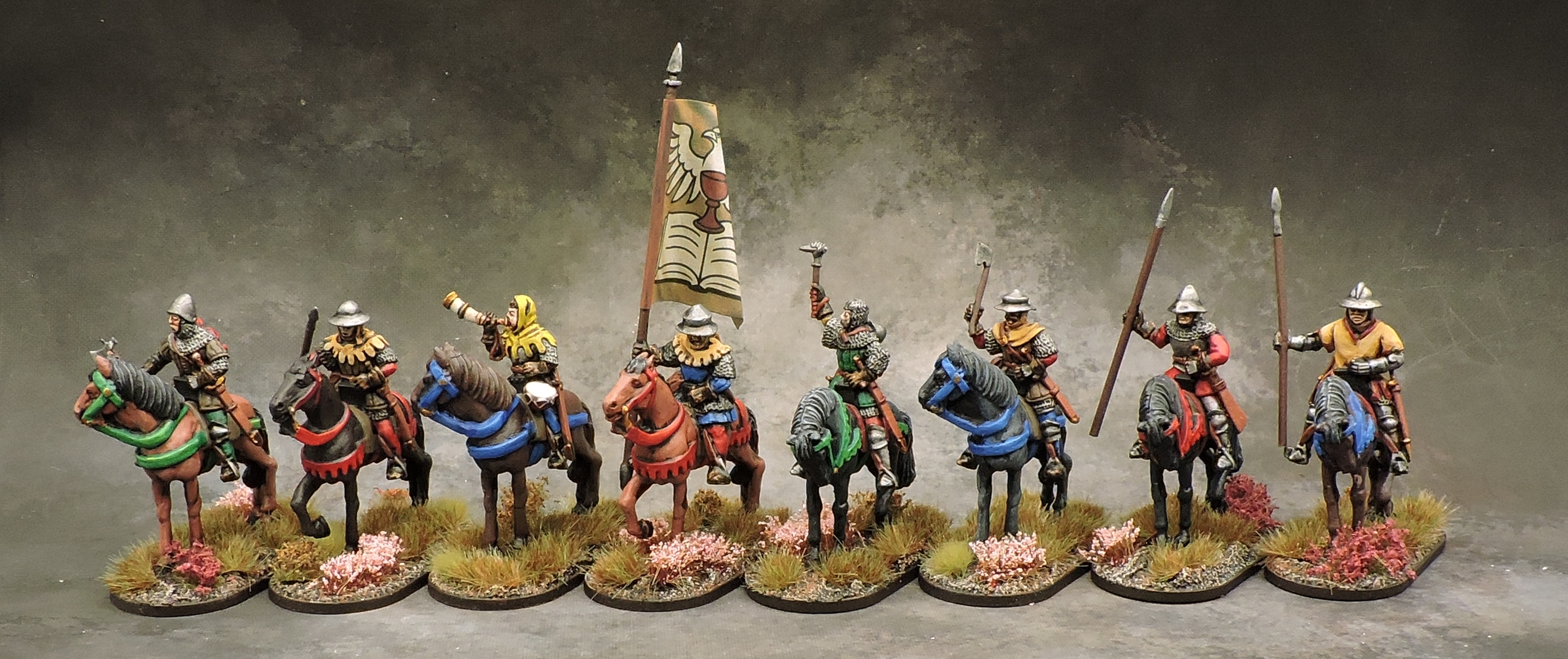
Elites: While at its base a peasant revolt, the Hussite movement was supported by some regional nobles. These provided professional men-at-arms which are represented in mounted or dismounted form.
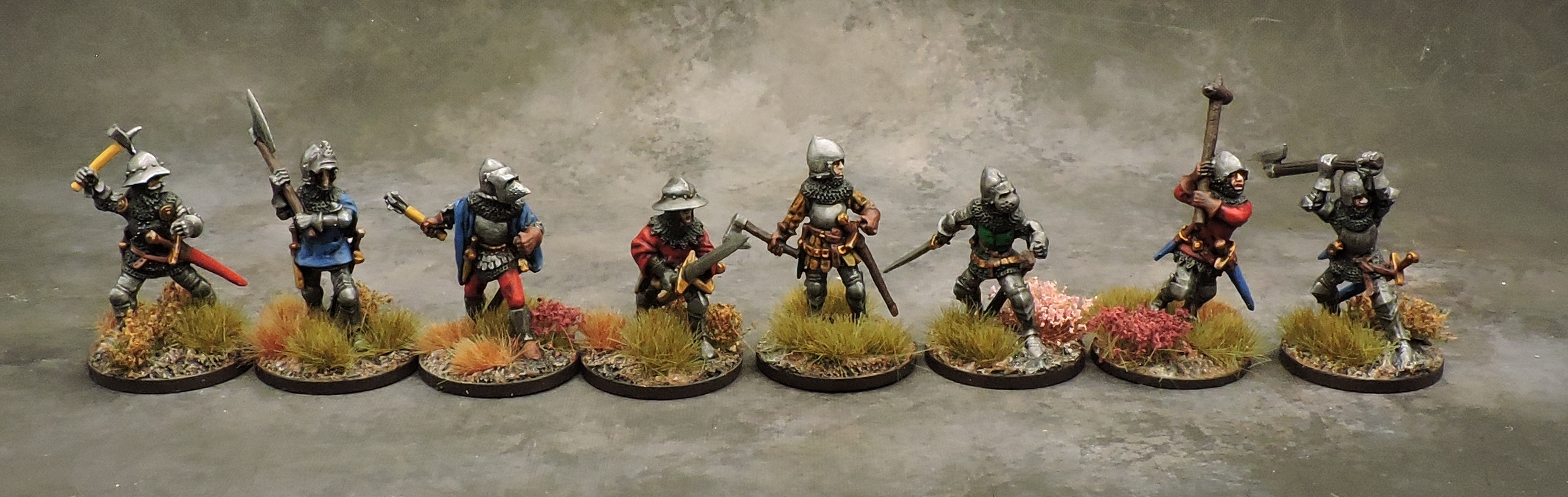
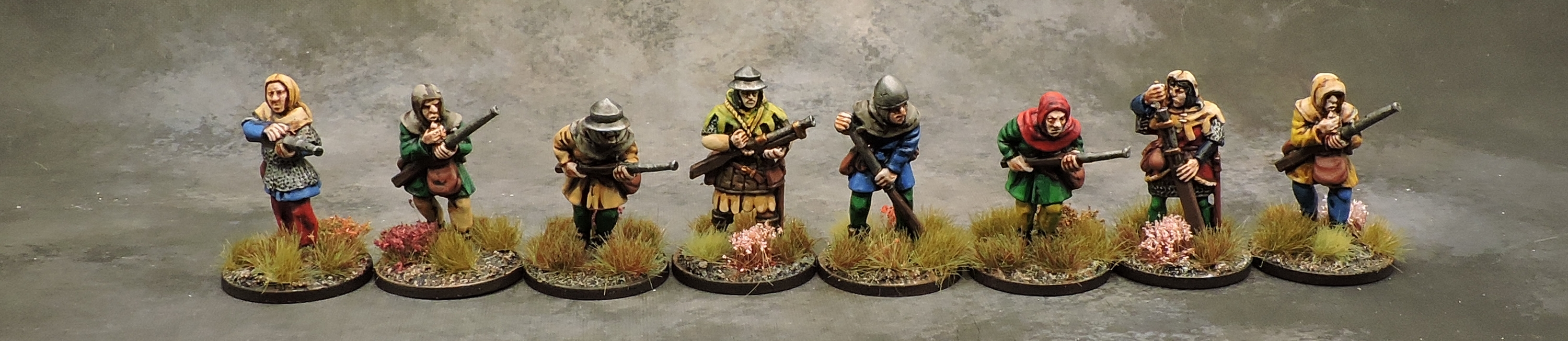
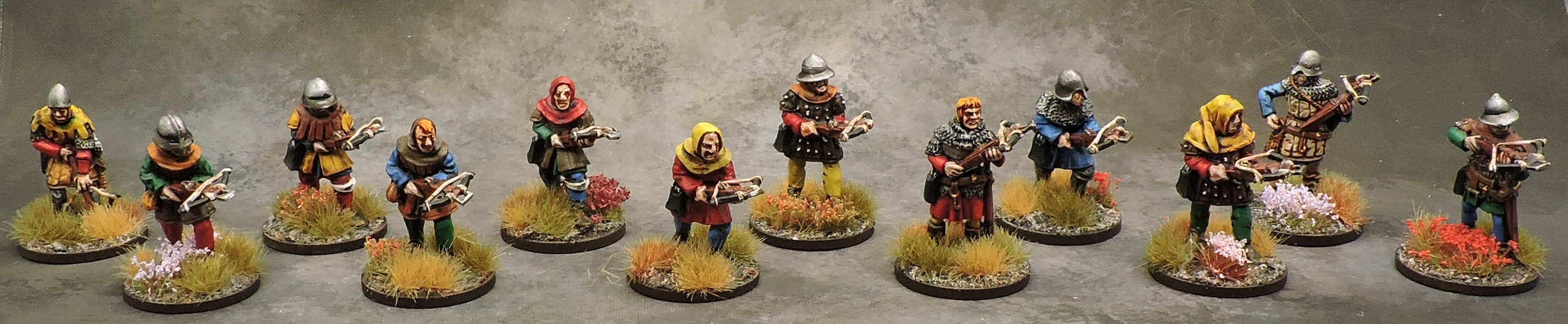
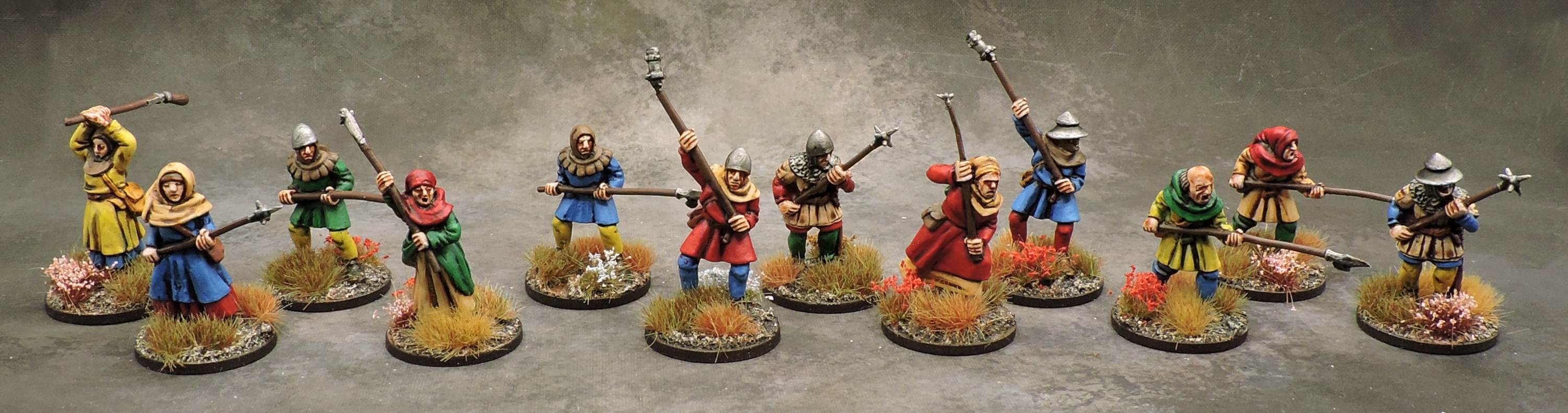
Warriors: The core of the force are enthusiastic warriors armed with the typical polearms of the Hussite movement. They can also be placed on sabot bases to gain pavise shields. Some are equipped with the earliest form of handguns or crossbows.
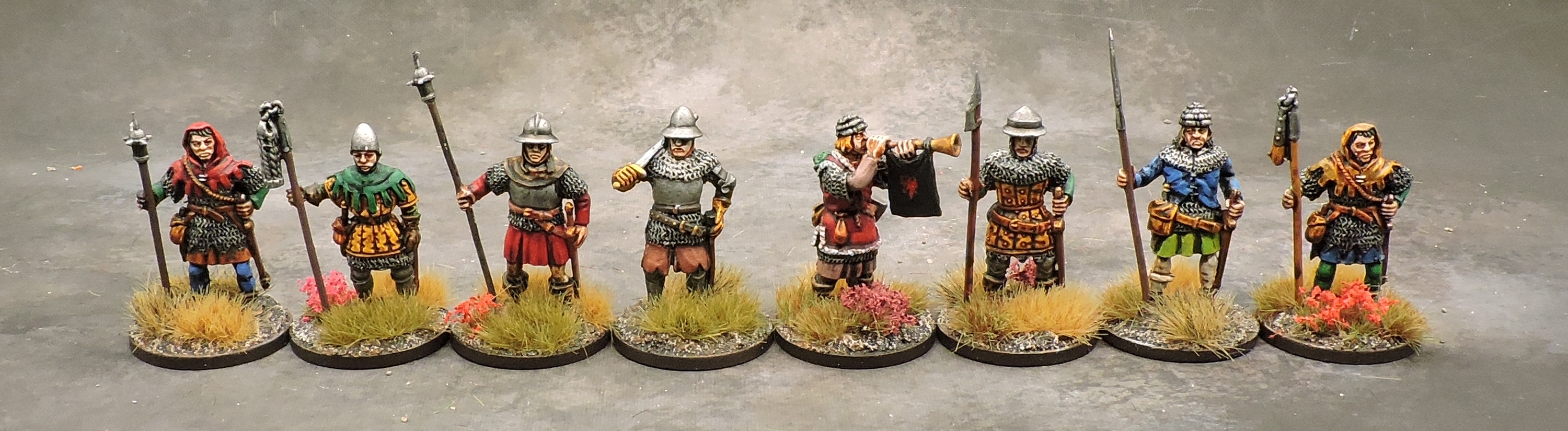
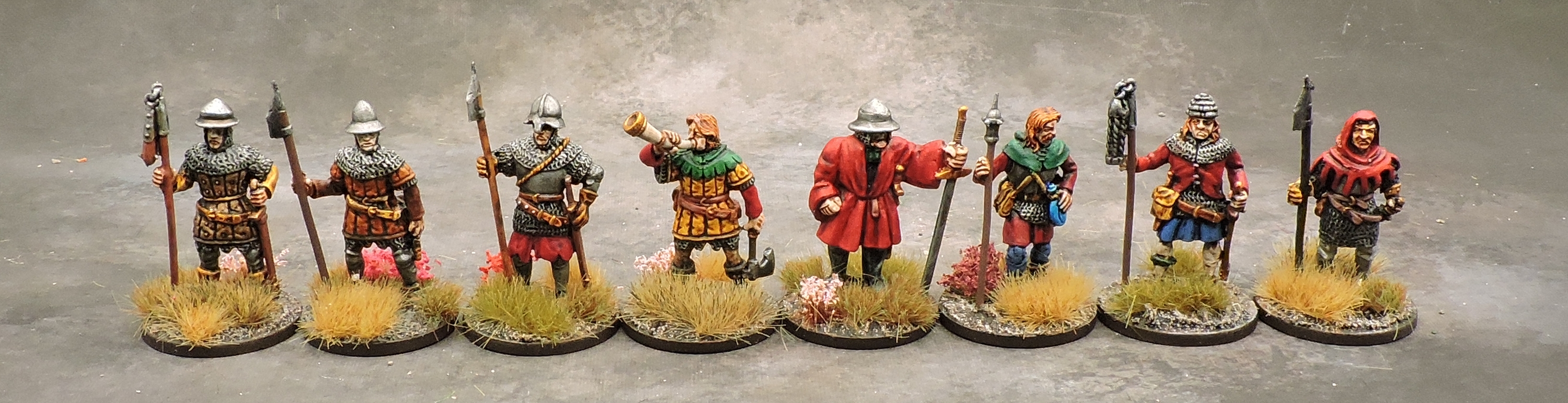
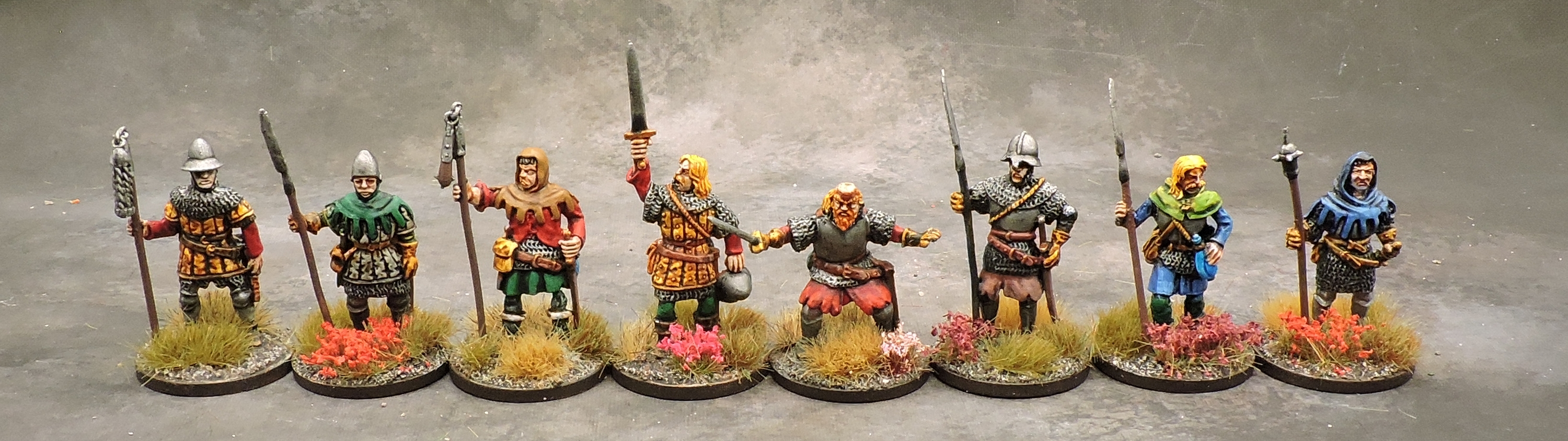
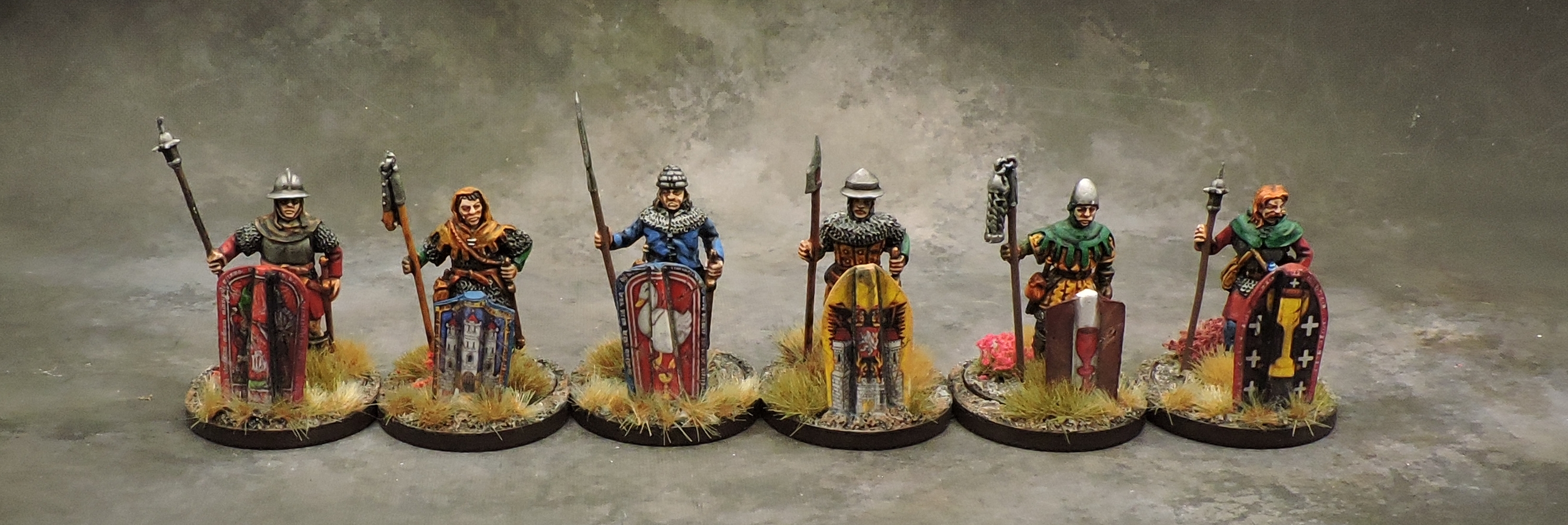
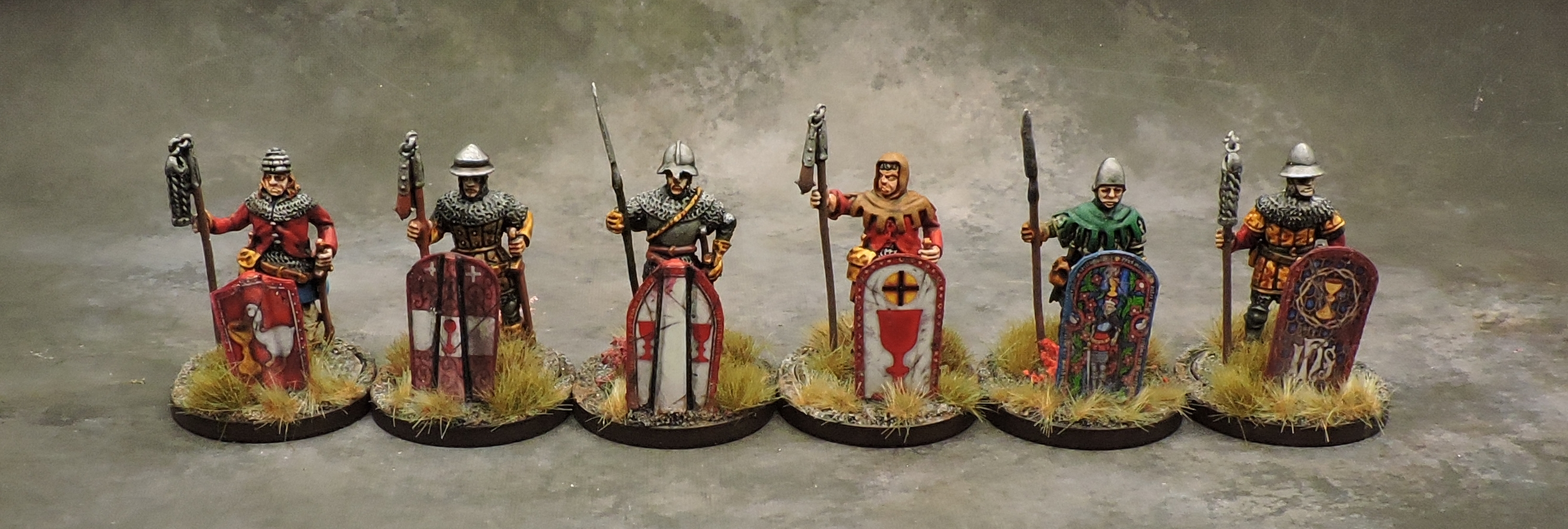
Levy: Supporting this force are peasants wielding improvised polearms from farming equipment. These are often called Taborites after a specific religious sub-sect of the movement.
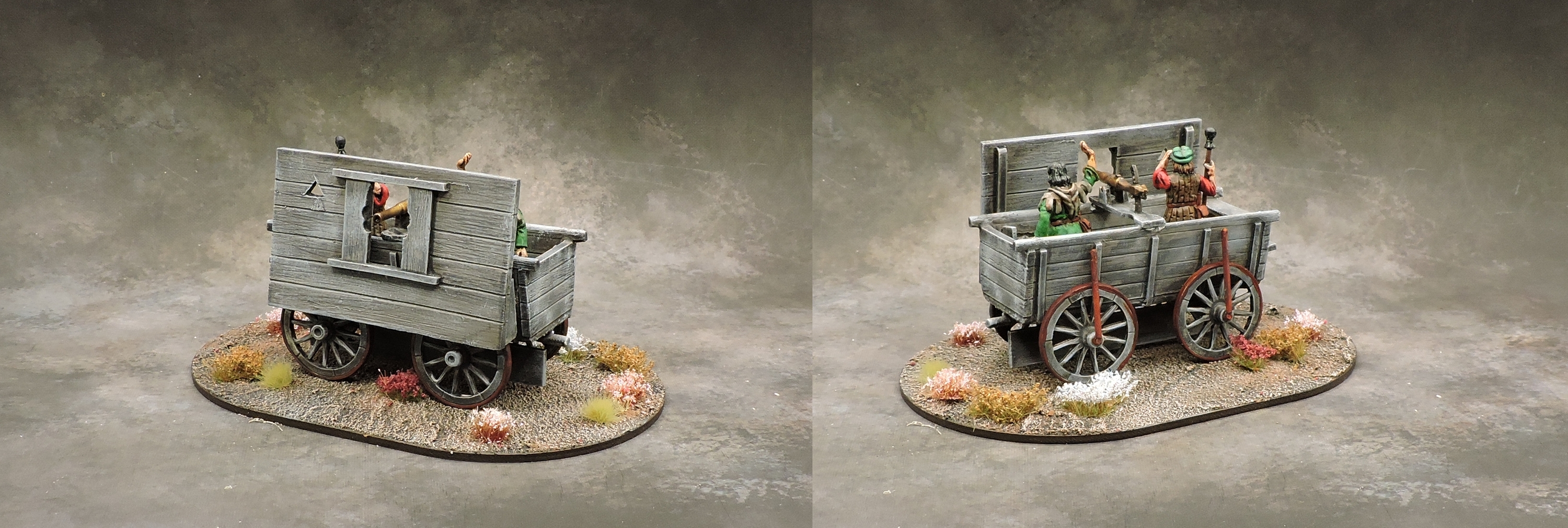
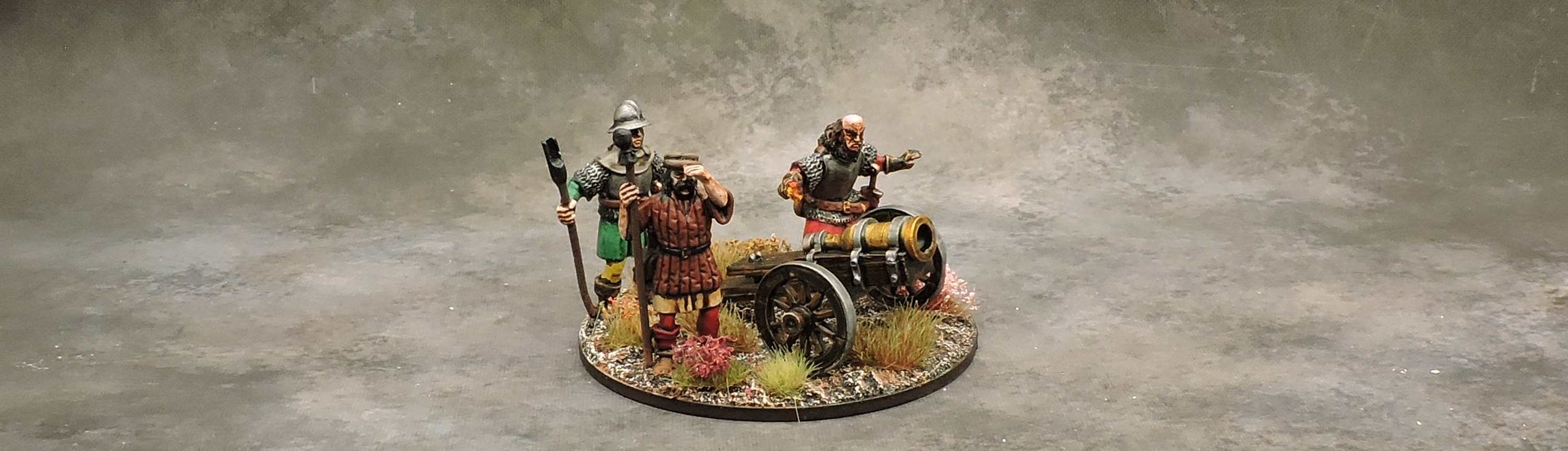
Warmachines: The Hussites pioneered the use of war wagons to counter the threat of heavy cavalry. The wagons were equipped with a mix of missile weapons – even a small cannon – or the long polearms of the Hussites. Under the Saga rules, a wagon can be based in a range of length so I made the horse team detachable to allow fielding the unit at minimum and maximum size. Finally, a cannon accompanies the force.