Wargaming comes in all flavours and covers a very wide range of time periods. The following tries to demystify this wide spectrum of gaming opportunities. I have grouped historical – and at the end fantastical – periods by wargaming context and the typical style of warfare for that era. Also included are some of the major conflicts for each era, as well as the visual style and more popular fighting forces associated with them. Where available, I have included pictures from my own collection with links to the appropriate armies. Of course there are many other conflicts that are not listed here.
Age of Antiquity (31st to 1st century BC)
The ancients or classical era covers a large portion of human history, from the beginning of organised civilization to approximately the rise of the Roman Empire. Players and rule systems will argue endlessly about the precise year of the end point, partly because the dividing line is definitely blurry and might stretch all the way to the fall of Western Rome in 476. The key feature of this period is that battles are fought and decided primarily by the physical force of formed unit. Different sub-periods emphasize specialized fighting styles such as the Greek phalanxes or the Roman triple axis formations but the fundamental dynamics remain the same: Warriors in formations trying to push back and ultimately rout opposing formations. With some exceptions, cavalry was a support force during this period and battles were decided by the fighting prowess, discipline, mass and morale of formed infantry units. The era lends itself to mass battle games and often smaller figure scales to represent the massive conflicts of the time.
Chariot Wars (31st to 11th century BC)
As soon as the first city states develop in the fertile crescent, war follows. The earliest recorded conflicts involve the Ancient Egyptians wrestling for control with Nubian forces (~3100-2181 BC) and the Hittites (1292-1189 BC), only for all three civilizations to essentially collapse under the onslaught of the mysterious “Sea Peoples” in ~1200 BC to 1150 BC. A unique aspect of these conflicts is the chariot as battlefield cavalry wasn’t practical yet. From donkey carts to sleek war chariots, this period offers a unique opportunity to field massed chariot forces. The later Egypto-Neo-Assyrian War (700-654 BC) starts to replace chariots with early cavalry. The Trojan Wars of the 12th century BC offer an opportunity to combine historical warfare with fantastic elements of Greek mythology.
Greco-Persian Wars (5th and 4th century BC)
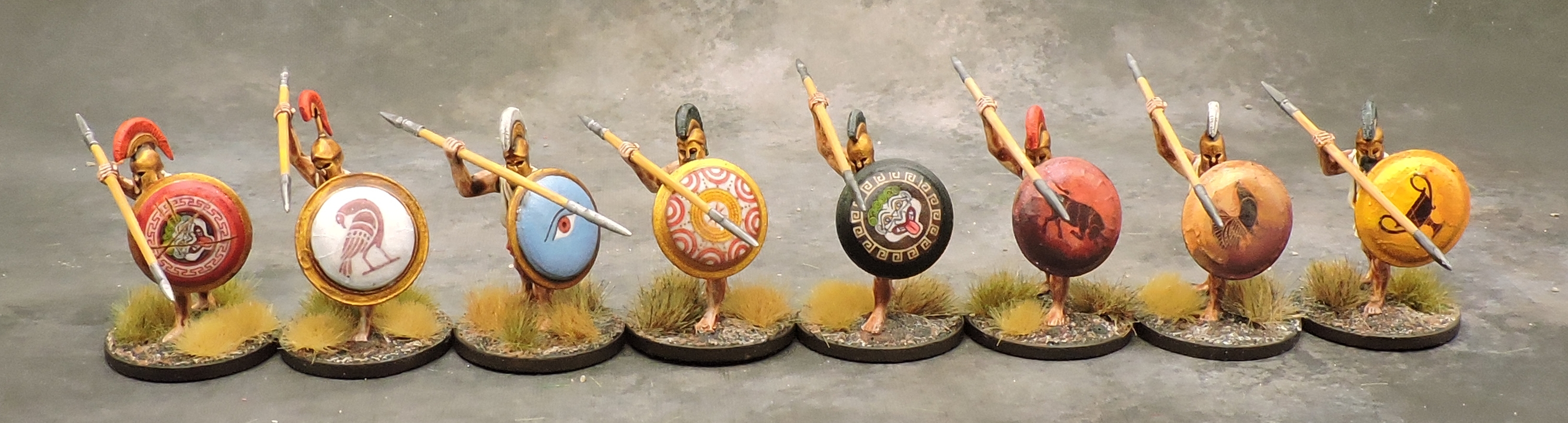
The emerging Greek city states – Athens, Sparta, Thebes and many others – compete for dominance, while forming defensive leagues to fend off the invading Achaemenid Persians and their wilder Thracian neighbours. The Greco-Persian Wars (492-449 BC) and Peloponnesian War (431-404 BC) give us the famous battles of Thermopylae and Marathon, as well as the first major naval conflicts. The climax of this era comes when a young Macedonian king – Alexander the Great – leads his armies across his known world south to Egypt and East to India (336-323 BC). After this death, Alexander’s generals established successor kingdoms which continued to fight for regional dominance for several centuries: Pontus and Phyrrus of Epirus in the old Greek heartland fought against the encroaching Roman Republic, while the Seleucid Empire expanded in the East. This is the era of the Phalanx – large blocks of Greek Hoplites and later Macedonian Phalangists with their long spears and round shields. Naval wargaming with oared Triremes is also popular in this period.
Rise of the Republican Rome (5th to 1st century BC)
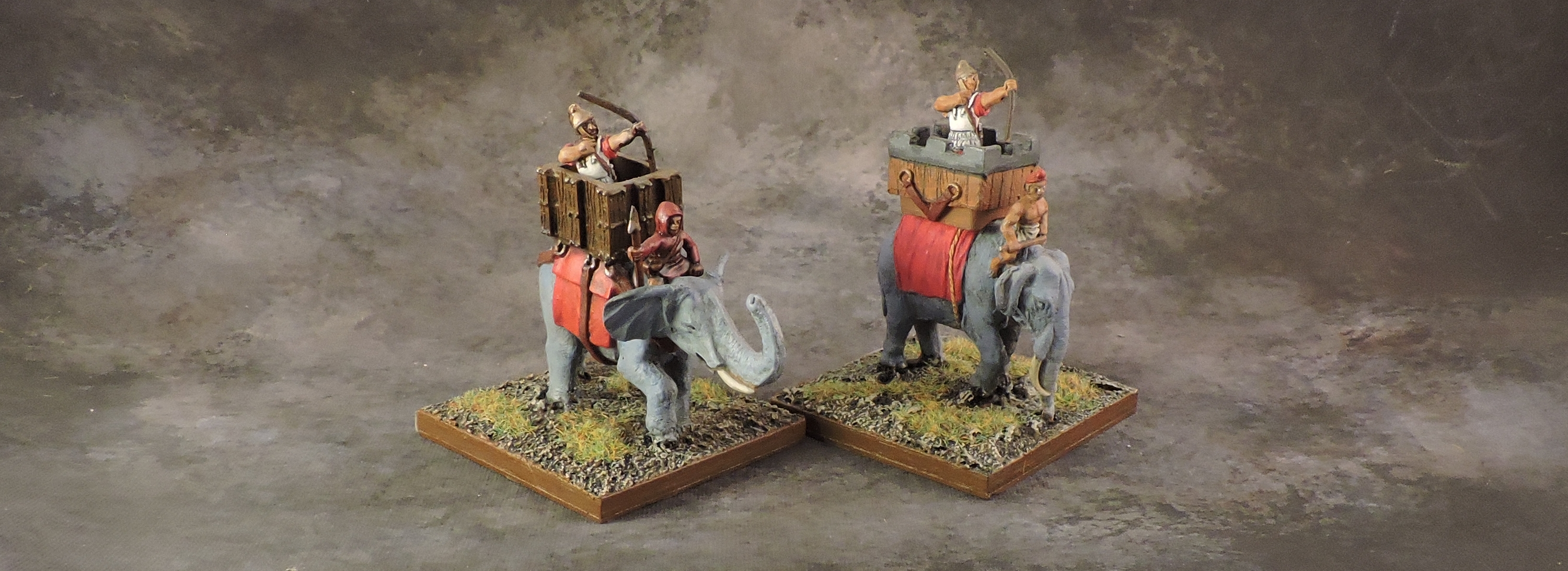
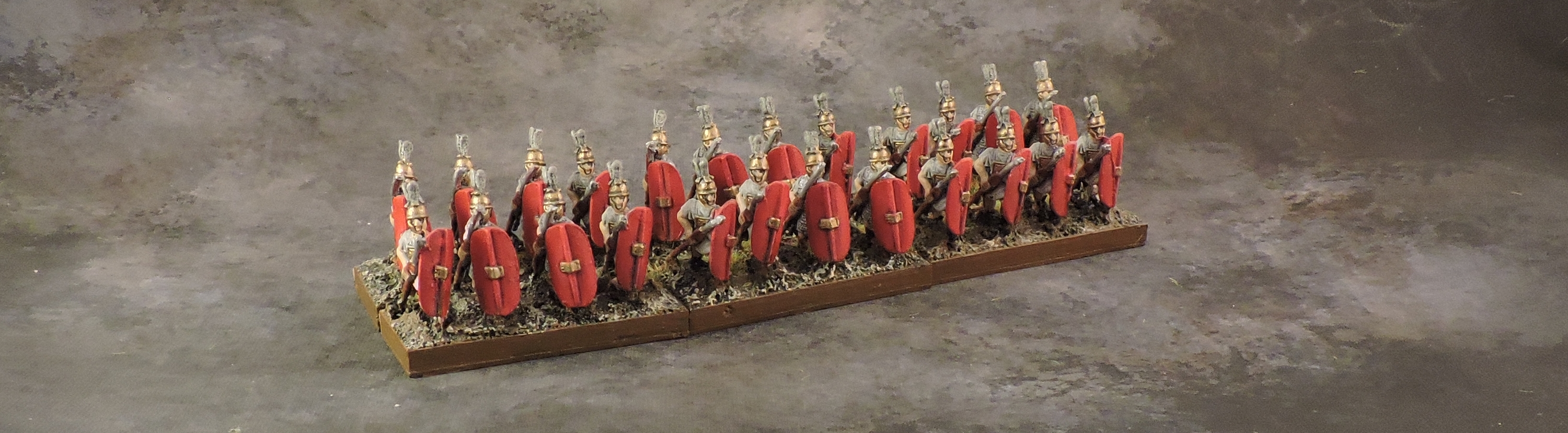
Over the course of four centuries, the Roman Republic conquers Italy and expands into Greece, lower Gaul, and the North African coast. The armies of the Roman Republic face other Italian tribes such as the Samnites, Carthage and its Numidian allies during the Punic Wars (264-241 BC, 218-201 BC, 149-146 BC), various Gallic tribes, and the remnants of the Greek and Macedonian kingdoms. In the interior, Rome suffers three slave revolts – the Servile Wars (135-71 BC) – with the last led by the famous gladiator Spartacus. The flexible Roman triple axis formation – Velites with javelins at the front followed by a checkerboard of Hastati and Principes, and finally the veteran Triarii – ends the era of the Phalanx.
Chinese Dynastic Wars (8th century BC to 3rd century AD)
Ancient China suffered a wide range of dynastic conflicts including the Spring and Autumn Period Wars (771-476 BC), the Warring States Period Wars (475-221 BC), the Han Dynasty Conflicts (220 BC to 219 AD), and the Three Kingdoms Conflicts (220-280).
Age of Rome (1st century BC to 2nd century AD)
General history would classify these centuries as just the end of antiquity, but Imperial Rome has such a strong presence in the wargaming world – second possibly only to the Napoleonic Wars – that it merits an entry all on its own. At the dawn of the 1st century BC, the Roman Republic is undergoing massive transformations. The Marian reforms of 107 BC give us the Roman Legion as most know it today: heavy infantry with large shields, the gladius short sword, and the pilum throwing spear. Many rule systems cater to this period with both mass battle and skirmish options being quite popular.
Campaigns of the Caesars (58 BC to 87 AD)
Few men had richer lives then Julius Caesar or wider impact on our history. From his initial campaign in Gaul (58-50 BC), expedition to Britain (55 BC) and ultimately civil war (49-44 BC), Caesar’s Legions fight across the Mediterranean. When he is murdered in 44 BC, is chosen successor Octavian faces another wave of civil wars and ultimately topples the Republic for good in 27 BC. Subsequent Caesars expanded the Empire in the West in Germania (12 BC to 16 AD) and Britain (43-87). In the 3rd century, Rome’s expansion finally slowed down and the first cracks appeared in the economic, social and military structure of the Empire.

Roman-Parthian Wars (44 BC to 217 AD)
While the Roman Legions in the West generally faced inferior tribal confederations, they found their match in the East. The Parthian Empire rivalled Rome in resources and its famed horse archers were able to devastate entire Roman Legions under the right conditions. Other enemies on the Eastern frontier includes the Dacians (campaign of 86-106), Armenian, Palmyrian and a myriad of smaller kingdoms standing in the path of Roman expansion. An interest wargaming variant is the Great Jewish Revolt (66-73) and other smaller rebellions across the early Empire
Age of Invasions (3rd to 7th century)
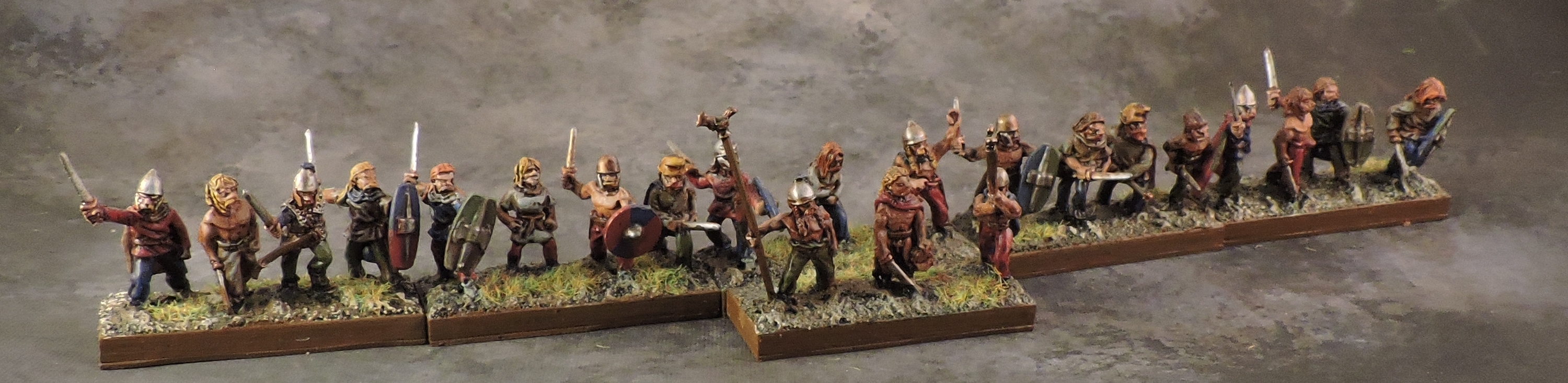
By the third century, Rome’s strength wanes. The Roman Empire is split into several administrative segments – often with competing Emperors – and civil war becomes the norm. Roman armies are composed primarily of allied Foederati troops – drafted from regional tribes rather than the Legions of old – and start to look closer to their tribal enemies. Warfare transition from military formations to individual warriors as the main element of battles. The Roman Foederati, Germanic warrior tribes, Arthurian Celts and Picts, all fought largely in the same way: Individual fighters trying to hit each other with blunt, sharp or pointy objects. Another distinction of this period is that warfare assumed a distinctly local character. Gone were the days when great empires wages wars across continents or had the logistics to outfit large, uniformed contingents. From a gaming perspective, the transition is gradual and especially delayed in Eastern Europe and the Middle East where the Eastern Roman Empire clings to power. This era is commonly played as skirmish games to reflect the smaller historical forces and looser fighting style.
Fall of Rome (3rdcentury to 476)
Climate changes and a sequence of bad harvests force entire people to migrate. They collide with the weakened Roman Empire and systematically dismantle it. In the North, Germanic Saxons conquer Britain while the central European plains see a succession of invasions by Gothic tribes, Alans, and Huns led by the legendary Attila. In 476, the Germanic chieftain Odoacer deposes the last Roman Emperor in the West. Only the Eastern Roman Empire – centered on Byzantium (later Constantinople and modern-day Istanbul) – continues the Roman tradition while fighting off incursions by the Sassanids (337-361, 421-422, 526-532, 572-591)

Rise of the Franks (476-800)
After the fall of the Western Roman Empire, Gallic and Germanic tribes transition from Foederati service to Rome into independent, early Christian kingdoms. Leading among those are the Franks who unite under the Merovingian dynasty and then expand across Western Europe under the Carolingian dynasty. In the North, they conquer the pagan Frisians (793) and Saxons (772-804). Their southern expansion brings the Franks into conflict with the Umayyad Caliphate which had conquered most of the Spanish peninsula. At the Battle of Tours in 732, Charles Martel defeats the Muslim invaders and in 800 the great Carolingian king Charlemagne is crowned Emperor – nominally inheriting the Roman imperial tradition, though Italy continues to be ravaged by invasions of the Lombards and other tribal confederations.
Korean Three Kingdoms Conflicts (37 BC to 668 AD)
During this period the three Samhan kingdoms – Goguryeo, Paekche, and Silla – compete for dominance of the Korean peninsula. Chinese forces were occasionally drawn into the conflict, especially by the Silla Kingdom. These hundreds of years of war only ended with the unification of Korea in 668 with the Silla Kingdom emerging victorious.
Age of Vikings (8th to 11th century)
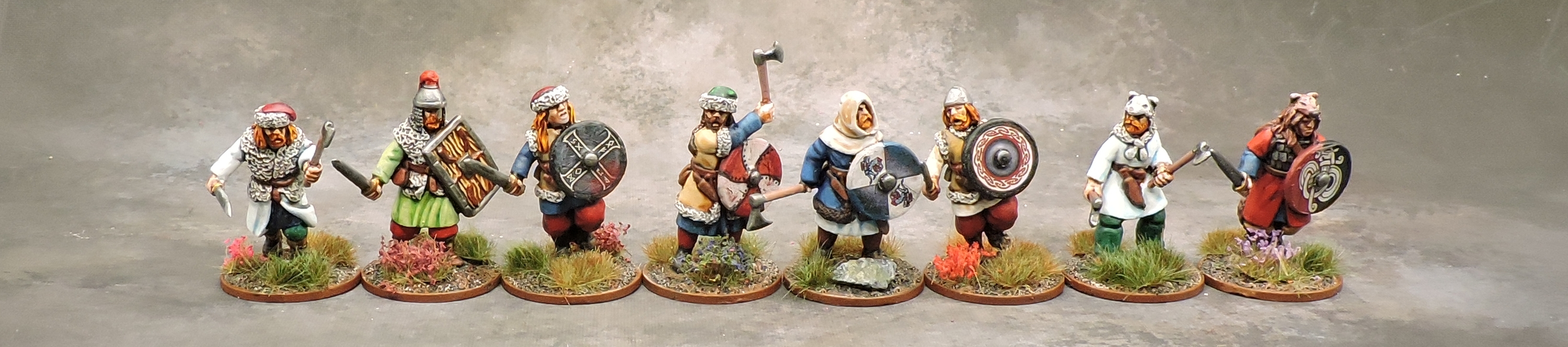
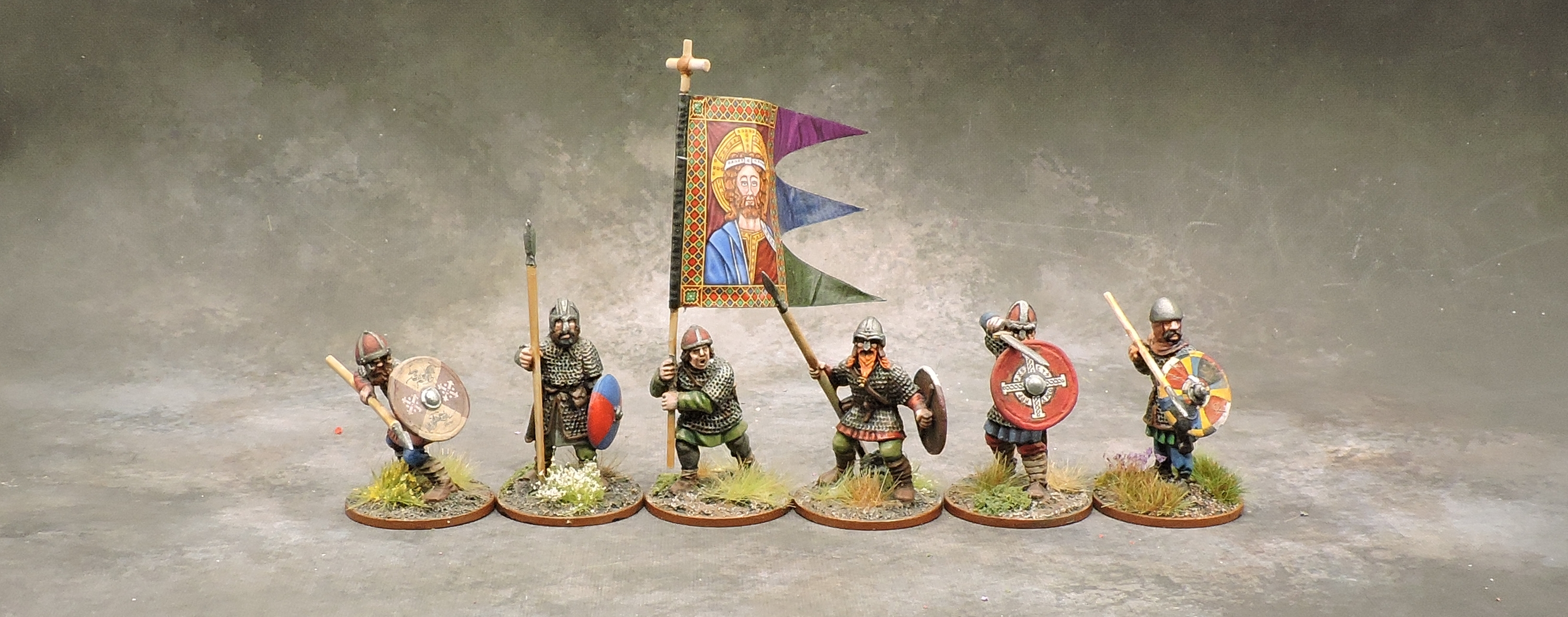
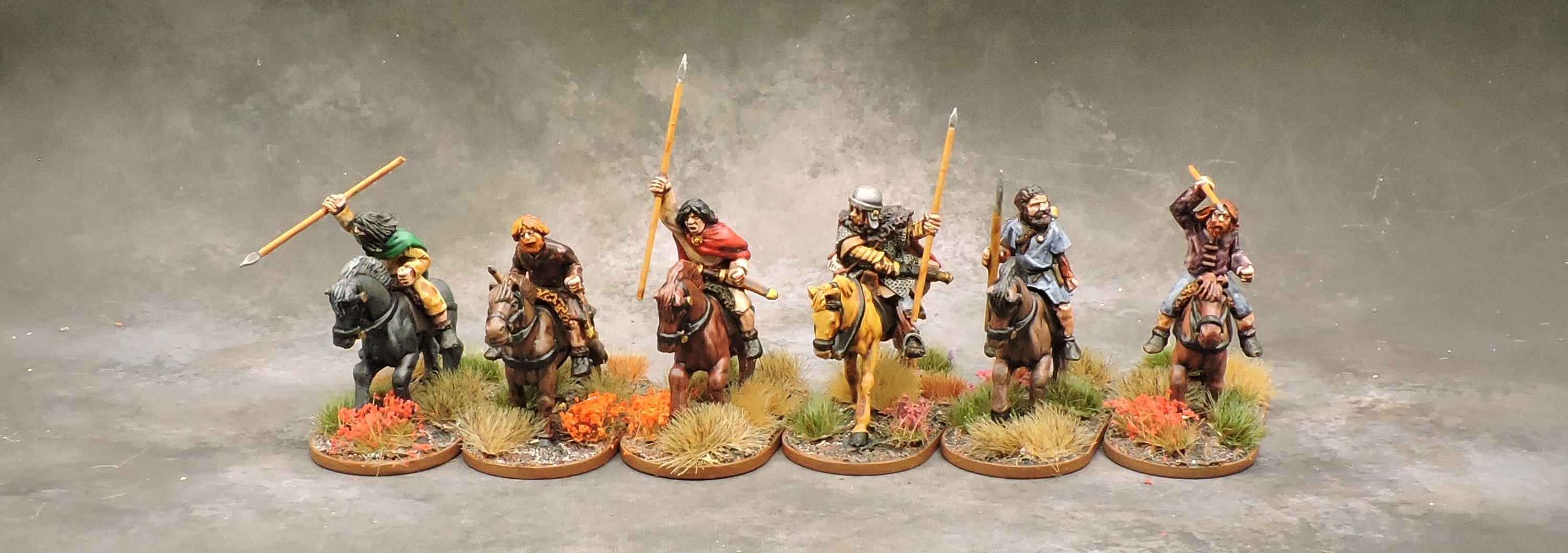
Invention of the longship ushers in the era of the Vikings – raiders from the coastal regions of Northern Europe from whom nobody is safe. Conflicts remain fairly small and focused on individual fighters, but the seaborne nature of this period allows for much more global scope. Viking Longships travelled well into the Mediterranean and even reached the Americas. Skirmish rules remain the norm for this period and armies generally don’t differ significantly from the Age of Invasions. Non-wargaming historians would group both eras as the early medieval period, often also called the Dark Ages.
Viking Invasions (793-1066)
On June 8th of 793, the monks at the English monastery of Lindisfarne are attacked by a fierce new enemy: the norsemen has come. Raiders from the Nordic kingdoms – Vikings in their own tongue – sail their longships along the Baltic and North Sea coast to plunder, extort and ultimately settle. Paris is sacked by the legendary Ragnar Lothbrok in 845, Ireland settled by 840, the Great Heathen Army occupies much of England in 866, and Rus Vikings annex Kiev in 882. The local Anglo-Saxon, Frankish and other people have to endure these attacks as best they can.

Rise of the Normans (911-1139)
In 911, the Frankish King Charles offers permanent settlement to Viking chief Rollo who forms the Duchy of Normandy. The resulting Normans stay close to their Viking root and expand across the Mediterranean with new conquests in Italy (1000-1139) and Sicily (1061-1091). In 1066, the Anglo-Saxon King Harold defeats Norwegian King Harald Hardrada – made legend through his service in the Varangian Guard of Constantinople – only to in turn be defeated by Duke William of Normandy at Hastings. The era of the Vikings has ended, but the Normans would remain a warrior power across Europe for centuries longer.

Rise of Islam (7th to 10th century)
By the 7th century a new religion, Islam, takes hold on the Arabian Peninsula (modern-day Saudi Arabia). Muslim kingdoms – called Caliphates – spring up all over the Middle East and soon clash with Western monarchies. In the East, Muslim armies push against the Byzantine Empire – the surviving Eastern half of the Roman Empire centred on Byzantium (later Constantinople and modern-day Istanbul). In the West, the Umayyad Caliphate rolls up the North African coast and occupies the Spanish peninsula by 711, as well as establishing colonies in Sicily. Christian kingdoms push back, especially in Spain where the “Reconquista” is a century-long campaign culminating in the ejection of Muslims from the peninsula by 1492. The later period of the Reconquista and the ultimate collapse of the Byzantine Empire in 1453 are best covered in later periods. Until about the 10th century, both the Byzantine Empire and Islamic Caliphates can field large centrally-organized armies which creates an interesting contrast to the smaller, feudal warbands of Western Europe in that period.
Age of Crusades (11th to 13th century)
The emergence of knights – fed and armed by the early feudal system – reversed the power dynamics of warfare. Instead of mobile support, cavalry became a crushing sledgehammer that dominated the field of battle. This period also re-introduced a broader territorial scope to warfare, in particular along the west-east conflicts of the crusades which also introduces religion as a serious point of division. The rules of heraldry weren’t well established yet, so one faction looked much like another, with only some changes in equipment over the century – mail hauberks and various nasal helmets in the 11th century, full mail and great helmets by the 13th century. This period is generally played with skirmish rules as most battles are comparatively small affairs.
Crusades (1096 to 1291)
In 1096, Pope Urban II calls for an expedition to aid the Byzantine Empire and reclaim Jerusalem. Crusader forces from all over Western Europe march or sail to the Holy Land, culminating the successful conquest of Jerusalem and the establishment of several Crusader States by 1099. Subsequent Crusades enjoy less success but cause great turmoil in the region, including the sack of the Christian city of Constantinople by the Fourth Crusade in 1204). The Crusader States are gradually reduced by the Seljuk Turks and other Muslim forces. Jerusalem is captured by legendary Muslim commander Saladin in 1187, briefly returned to Christian control in 1229, and then lost for good in 1244. By 1291, Acre falls and the Crusader States are no more. Interspersed in this period are the Albigensian Crusade (1209-1229) against Cathar heretics in southern France and the Children’s Crusade that marched to its doom in 1212. This is also the era of the monastic military orders, including the Knights Hospitaller (founded in 1077) and the Knights Templar (1118), and their Muslim Hashshashins (Assassins) counterpart.
Baron’s Wars (1215-1267)
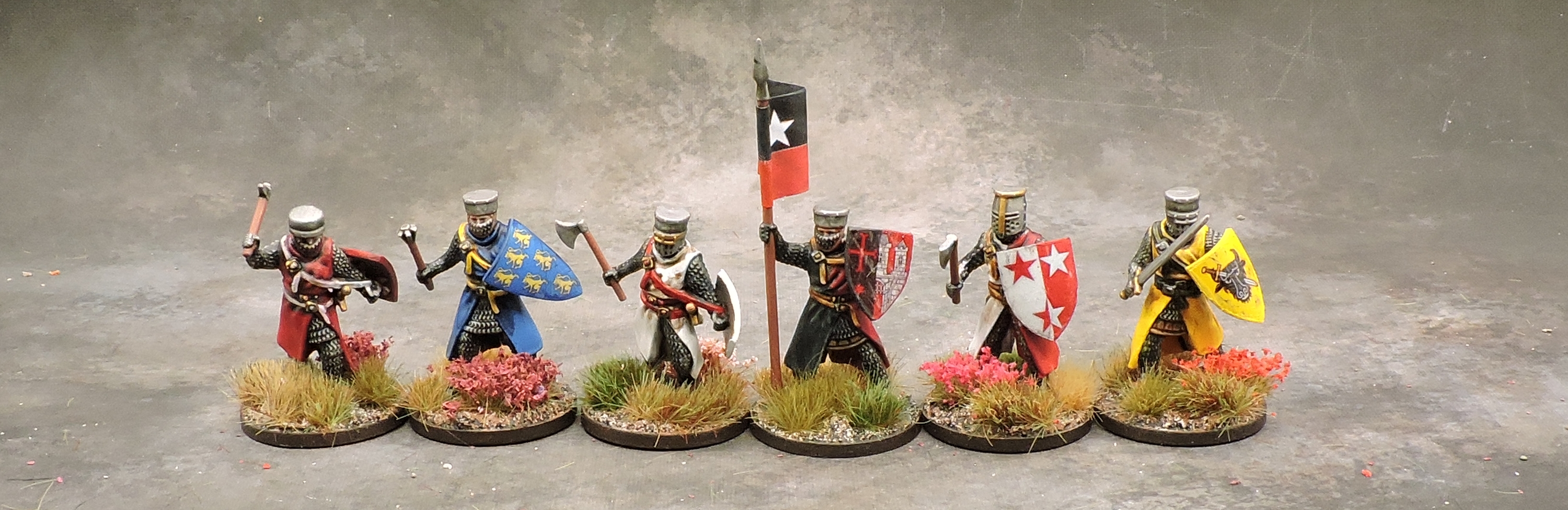
The Baron’s Wars in England are relatively minor conflicts but have strong following in the wargaming world. They feature mail-clad knights and their retainers in essentially free-for-all battles with ever-changing loyalties.
Mongol Invasion (1206-1368)
At the start of the 13th century, a new power emerges in Asia when Mongol nomads form into one of the greatest empires ever seen. Mongol hordes invade and eventually conquer most of China (1206-1368). They reach the Russian plans by 1223, gradually pushing into Eastern Europe until their sudden withdrawal in 1242 after the death of Ogedai Khan. Later Mongol incursions in the Middle East bring them into conflict with the Abbasid Caliphate which they end in 1258. Conflicts with the Chinese Ming Dynasty continue until 1642. Mongol forces offer opportunities for all-mounted warfare similar to the earlier Huns, fighting a wide range of enemies from the organized Chinese infantry to the armoured knights of Europe.
Baltic Crusades (1147 to early 15th century)
The Northern Crusades aimed to Christianize the pagan peoples of the Baltic regions. Supported by many central and eastern European nobles, the crusades’ main driver where the Teutonic Knights. This monastic order was founded in the Holy Land in 1190 but quickly branched off to the Northern Crusades. There they established the Ordenstaat (“State of the Order”) which would go on to dominate the region for several centuries until finally demolished their erstwhile Polish allies.
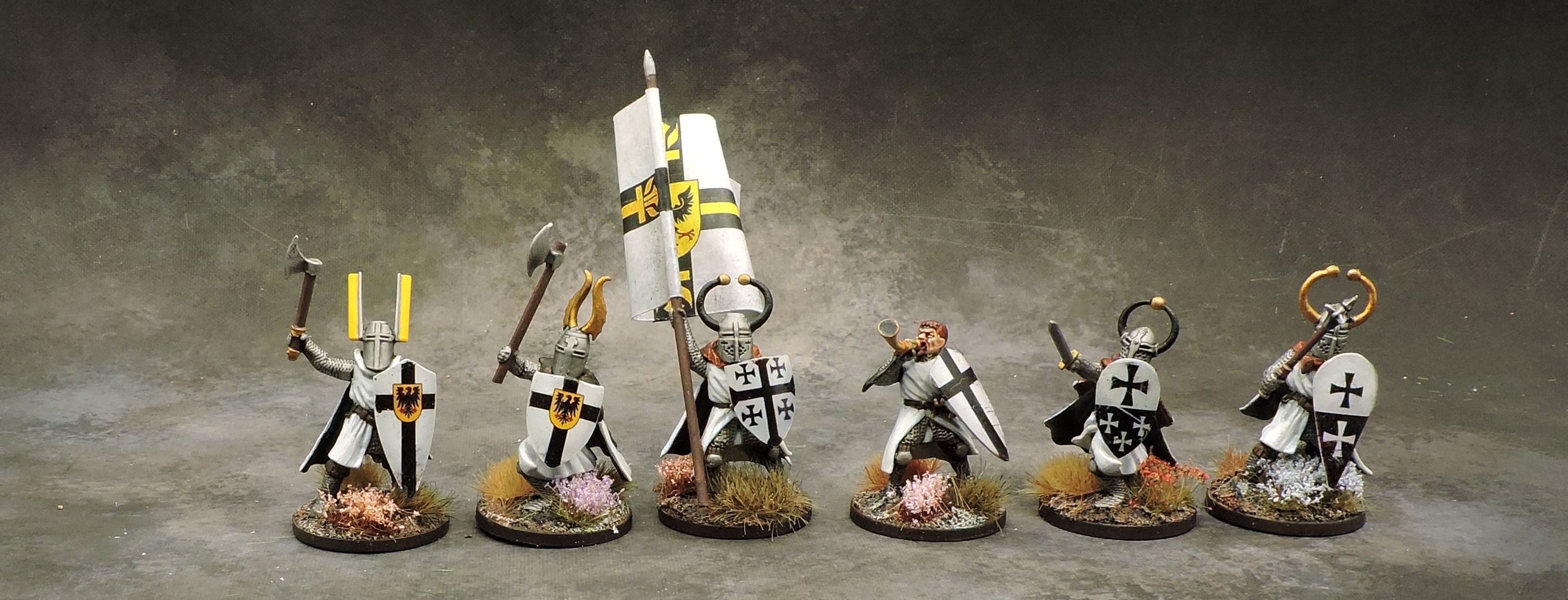
Age of Chivalry (14th to 15th century)
In the late medieval area, the feudal system is in full swing with well-defined hierarchical structures, rules of heraldry and defined feudal domains. The early knights of previous era have carved out their territory by force of arms and now establish elaborate rules to hold on to it. Heavy cavalry – now clad in full plate armour – still dominates the battlefield but is starting to feel the pressure from new weapons such as the English longbow. The feudal system supports the raising of larger armies, though still not at the level of the professional armies of antiquity. This creates a distinction between knights and men-at-arms with the former being a feudal rank and the latter being any man clad in heavy armour. Most knights fight as men-at-arms, but not all men-at-arms are knights. Conflicts have again become more regional and dynastic, rather than the robber-baron conquests of the prior age. Wargaming rules typically focus on skirmish actions, but mass battle systems can be found as well.
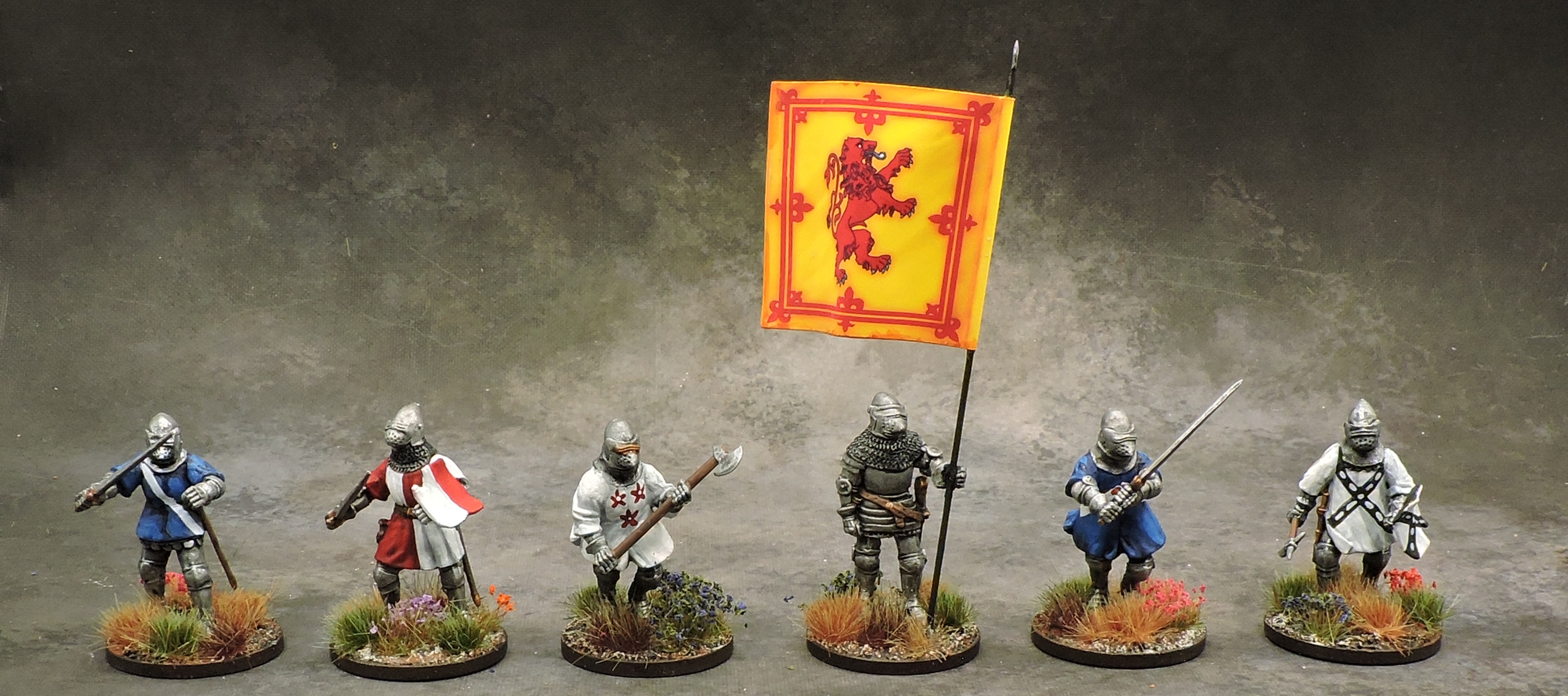
Hundred Years War (1337-1453)
The defining conflict of the late Middle Ages, this period of over 100 years of warfare gives us the men-at-arms in full plate and the legendary English longbow. Those English archers devastate French knights at Crécy (1346), Poitiers (1356), and Agincourt (1415), until the arrival of the young Jeanne d’Arc. French victories at Orléans (1428–1429) and Castillon (1453) finally oust the English from the continent. The adjacent Wars of Scottish Independence (1296-1357) offer additional opponents for the English.


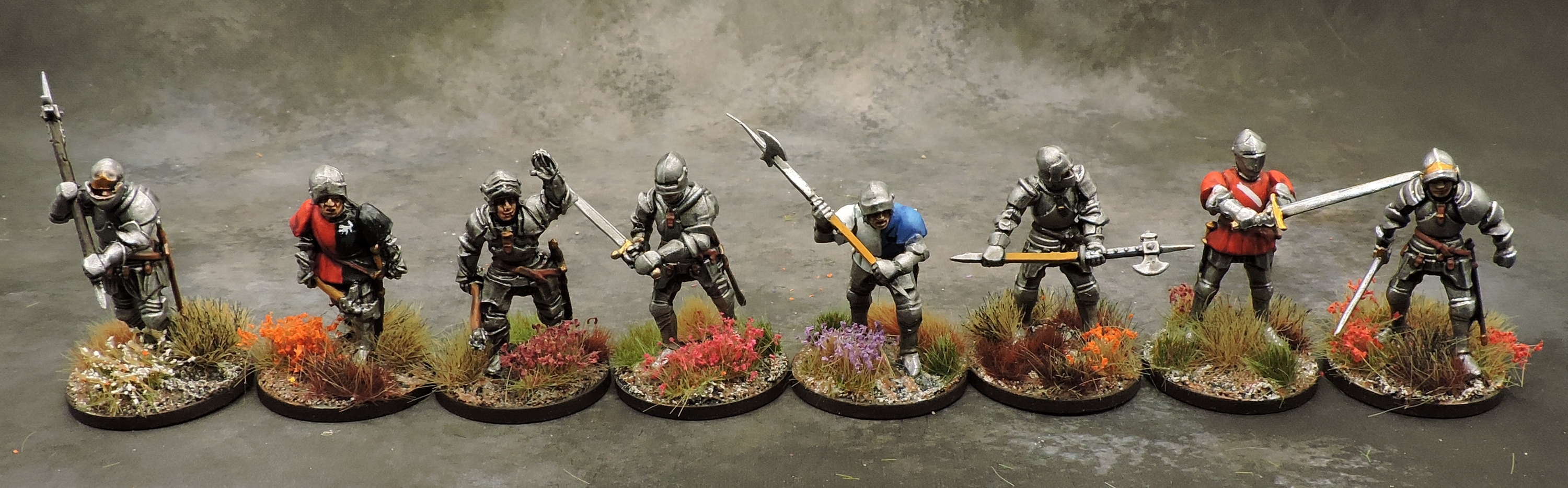
War of the Roses (1455-1466)
After England had been ejected from the continent for good, its struggles turned internal. The dynastic struggle between the Yorkish, Lancastrian and ultimately Tudor factions are a popular wargaming era. While the global impact is small compared to many of the other wars listed here, it is a key part of English history and England after-all is the capital of the wargaming industry.
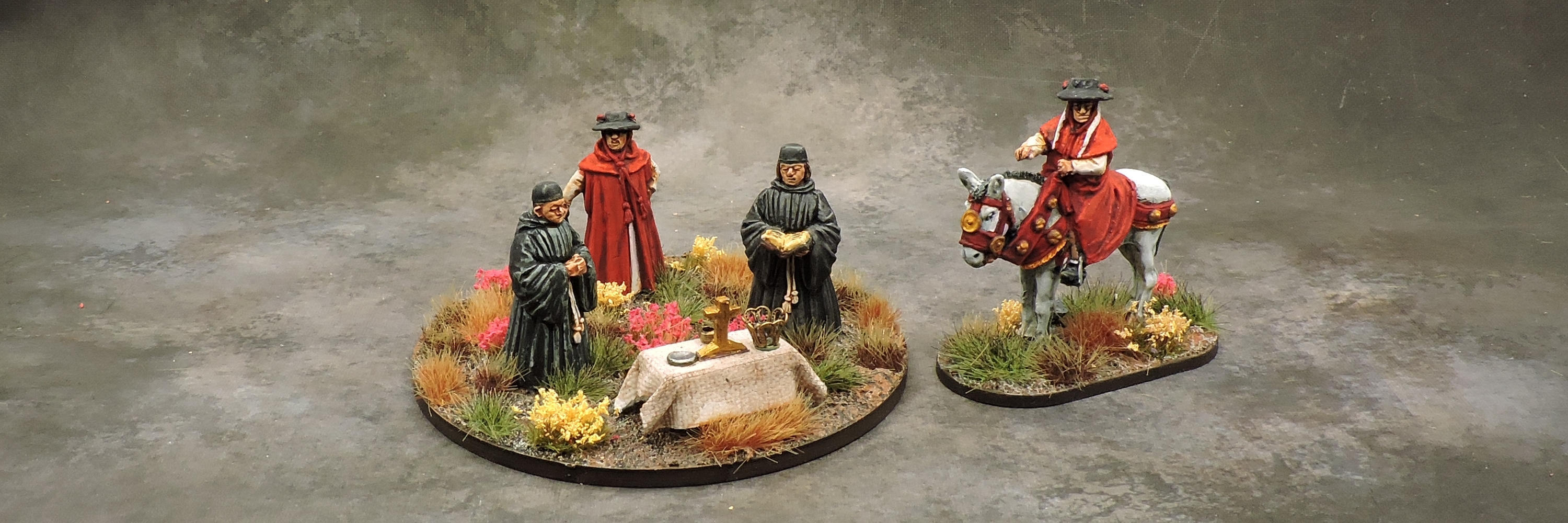
Campaigns of the Holy Roman Empire (15th century)
The Holy Roman Empire – a loose confederation of central European principalities – fought conflicts on all its borders (and within). The Hussite Wars (1418-1433) saw in uprising of followers of the priest Jan Hus in Bohemia while the Italian Wars (1494-1559) were a sequence of wars to fold – or retain – various Italian city states into the Holy Roman Empire. Underlying these conflicts were schisms within the Catholic church as well as with secular authority such as the Pope’s power to designate the Emperor at the head of the Holy Roman Empire.

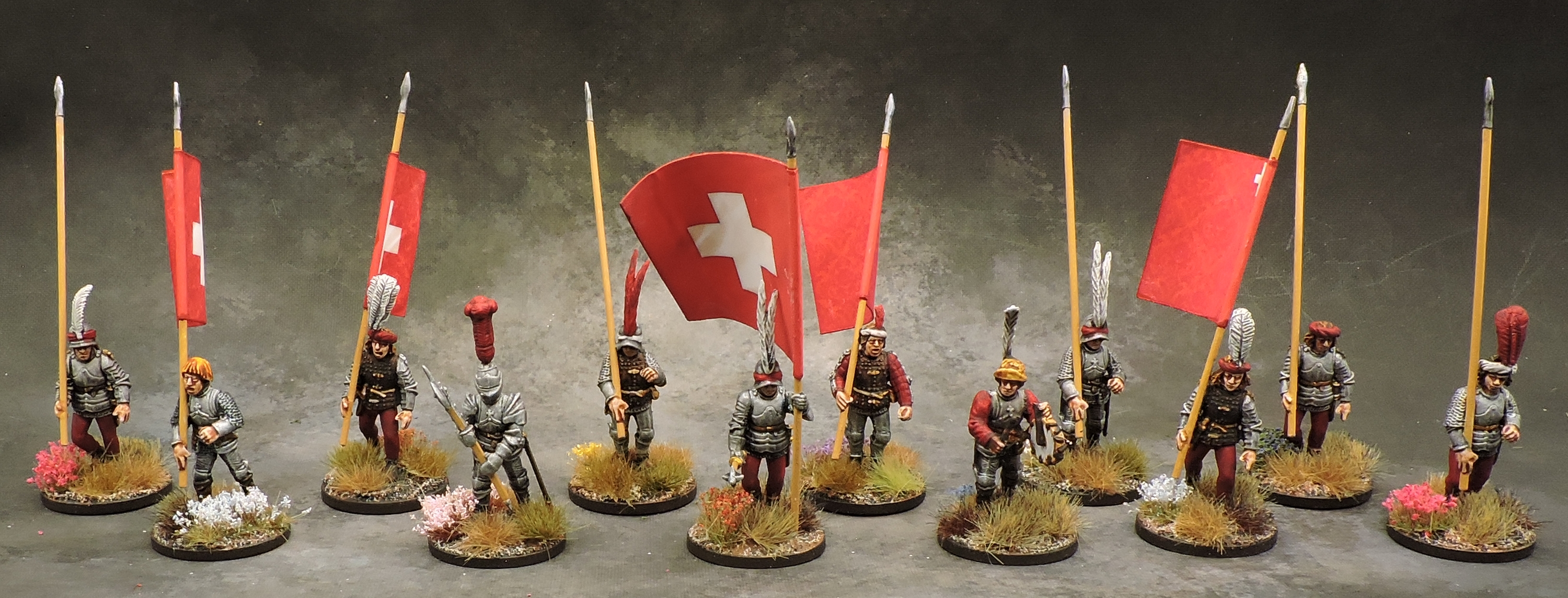
Persian and Indian Internal Conflicts (14th and 16th century)
Having defeated the crusaders, the Arab and Persian region focuses inward and dynastic struggles became the norm. By 1370, the Turco-Mongol warlord Timur established the Timurid Empire which gradually absorbs most of modern-day Syria, Iraq and Iran. Further east, the various principalities of the Indian subcontinent continuously fight for regional dominance with no definitive outcome. Battles in this period are generally between forces with similar cultural background, dress, and tactics. This only changes with the arrival of European colonial forces.
Age of Renaissance (15th to 17th century)
The early Renaissance sees the swan song of the knights on the battlefield. In an effort to counter the strength of armoured knights, the humble infantrymen turn first to the pike (a very long spear or halberd) and shortly after towards emerging gunpowder weapons. Both weapon types, if fielded in disciplined formation, were able to defeat armoured knights and thus ended their era of dominance for ever. Warfare became a shooting match with shock infantry and cavalry often only in place to provide defensive capability to the missile troops. Often referred to as the “Pike and Shot” era, this period sees the return of standardized formations such as the Swedish checker or Spanish Tercio. Artillery starts to appear on the battlefield, but the low rate of fire limits its impact. For the first time since Imperial Rome, armies feature semi-consistent uniforms, flags and designations. Wargaming rules are generally for mass battles to reflect the formation-oriented nature of warfare in this era.
Conquest of the Americas (15th and 16th century)
By the time that Europeans first set foot in the Americas in 1492, two mighty Empires were already embroiled in conflict. European Conquistadors exploited these internal divisions to defeat the Aztecs in the Triple Alliance Wars (1428-1521) and the Inca (1472-1527). Conflicts continued for nearly a century, offering opportunities for asymmetric warfare between European forces with early gunpowder weapons and tribal warriors with approximately Bronze Age weapons and tactics – and of course many intra-tribal battles. This is a very unique and colourful period, offering many opportunities for creative wargaming.
Wars of Religion (16th to 17th century)
The break of the Christian church into Catholics and Protestants sets of conflicts all over Europe. Starting with the Eighty Years War (1568-1648), this era includes the Thirty Years War (1618-1648) between the emerging Protestant powers in the North and the Catholic League of Southern/Western Europe and the English Civil War (1642-1651). A different kind of religious conflict can be found in Eastern Europe where the growing Ottoman Empire clashes with the Polish-Lithuanian Commonwealth, the Austro-Hungarian Empire and the various Balkan states, including the Cossack uprisings of the 18th century in modern-day Ukraine (e.g. Khmelnytsky Uprising in 1648-1657. These conflicts are the peak of pike and shot appearance with solid pike blocks guarding nimble arquebusiers.

Japanese Sengoku Period Conflicts (1477-1603)
The great battles of the Samurai have become the defining image of Japanese conflicts. Warlords – called Daimyo – all over Japan vie for control while Imperial authority gradually collapses around them. Due to the delayed arrival of gunpowder in Japan, I placed this period in the Middle Ages as battles are fought with shock infantry, archers and cavalry. The Ōnin War (1467-1477) and much earlier Gempei War (1180-1185) could readily fit this period as well, as would the Imjin War (1592-1598) with the addition of Korea and Chinese troops fighting for control of the Korean peninsula. The imagery this period are the Samurai in colourful personalized armour, supported by their massed Ashigaru retainers. Unique factions include the Buddhist Sohei warrior monks and Ikko-Ikki peasant militia.
Golden Age of Piracy (1650-1730)
The vast riches of the Spanish colonies attract buccaneers who – encouraged by the English and French crown – attack Spanish treasure galleons. Permanent pirate settlements are established in Tortuga and Nassau from which they raid all over the Caribbean. With the end of the War of the Spanish Succession in 1714, these raiders become inconvenient to the Great Powers and eventually extinguished by them. This period offers unique wargaming opportunities at the intersection of naval combat and skirmishes battles in unique maritime environments. Pure naval wargaming in the Age of Sails – this period through the Napoleonic era – are also quite popular.
Age of Revolutions (late 17th to 18th century)
The 18th century saw a wave of enlightenment fold across Europe, resulting more often that not in violent revolutions. From a wargaming perspective, these conflicts are all united by the theme of linear warfare. The invention of the bayonet eliminates the need for dedicated pike infantry to protect missile troops and shock infantry has consequently disappeared completely from the battlefield. Concentration of firepower encourage lines of infantry, armed with gun powder weapons, to bang away at each other. Cavalry remains in a supporting role while artillery evolves into a distinctly independent branch of service. Armies adopt national uniforms, flags and insignia often still used today. Rule systems typically focus on mass battles, though recent years have popularized a number of skirmish systems for smaller scale conflicts such as the French and Indian War in the Americas.
Lace Wars (1660-1763)
Named after the flamboyant uniforms full of lace, these wars are mostly dynastic struggles including the War of the Grand Alliance (1680-1697), the Northern Wars (1655-1660, 1700-1721) in the Baltic region, the War of Spanish Succession (1701-1714), the War of Austrian Succession (1740-48), and the Seven Years War (1660-1763). Battles are fought all over Europe by the armies of Great Britain, France, Spain, Russia, Prussia, Sweden, and many others. Flamboyant banners and the first consistent uniforms at the regimental level since the age of antiquity, this is a popular era for wargames with emphasis on mass battles.
French and Indian War (1754-1763)
Technically a sub-theatre of the Seven Years War, this conflict has a lot of interest to wargamers as it features interesting asymmetrical warfare. French and English settlers – each supported by native allies – vie for dominance of the North American continent. Several popular skirmish rule systems cover this period.
American War of Independence (1775-1783)
The violent break-away of the original 13 colonies from their British overlords are a popular wargaming period. The armies are not significantly different from those of the Lace War period, but feature added elements of irregular warfare such as the American Minutemen. Popular culture, especially in the US, has given these rebels near-mythological status, though in reality most major engagements of the war were fought by regular troops – more often that not French rather than American!
French Revolution (1792-1801)
The French Revolution as the very end of this period is often seen as a precursor of the Napoleonic era and included in it. The conflict is certainly quite similar, though the organizational reforms of Napoleon did change the character of war in the later period somewhat. Britain’s conquests in India and the French expedition to Egypt provide more exotic gaming opportunities in this period.
Haitian Revolution (1782-1804)
Over the course of two decades, the black slaves on the island of Hispaniola fought off their French, British and Spanish oppressors. The result of their victory – Haiti – remains the only successful slave revolt in history and the first free black country in an age that was not yet reconciled with that concept. Aside from this unique historical context, the Haitian Revolution also offers a rich tapestry of wargaming opportunities since every major power fought just about everybody. Battles were surprisingly large, often rivalling major Napoleonic conflicts in scale (e.g. British troops sent to Hispaniola exceeded those deployed during the entire Peninsula Campaign).
Age of Napoleon (1803-1815)
The Napoleonic era is often considered the pinnacle of wargaming, partly because the first wargaming rules (the German “Kriegsspiel”) was developed by participants of the Napoleonic wars. Napoleon’s French armies at various points fight virtually all European powers which makes for a rich wargaming tapestry. While clearly an evolution of linear warfare of the previous ere, the full integration of infantry, cavalry and artillery in combined arms operations makes the Age of Napoleonic worthy of a separate entry in this list. Armies of this era are rigorously uniformed and organized in structures still used by most military today, providing possibly the most visually dramatic impression on the tabletop.
Wars of the Coalitions (1803-1815)
Most of the action during the Napoleonic era took place in central and eastern Europe, including the initial clashes with Austria and Prussia, the massive campaign into Russia in 1812, the defence of Germany in 1813 and finally the grand finale at Waterloo in 1815. Many of the belligerents would switch sides during various campaigns – often under duress – so there are many gaming opportunities in this period.
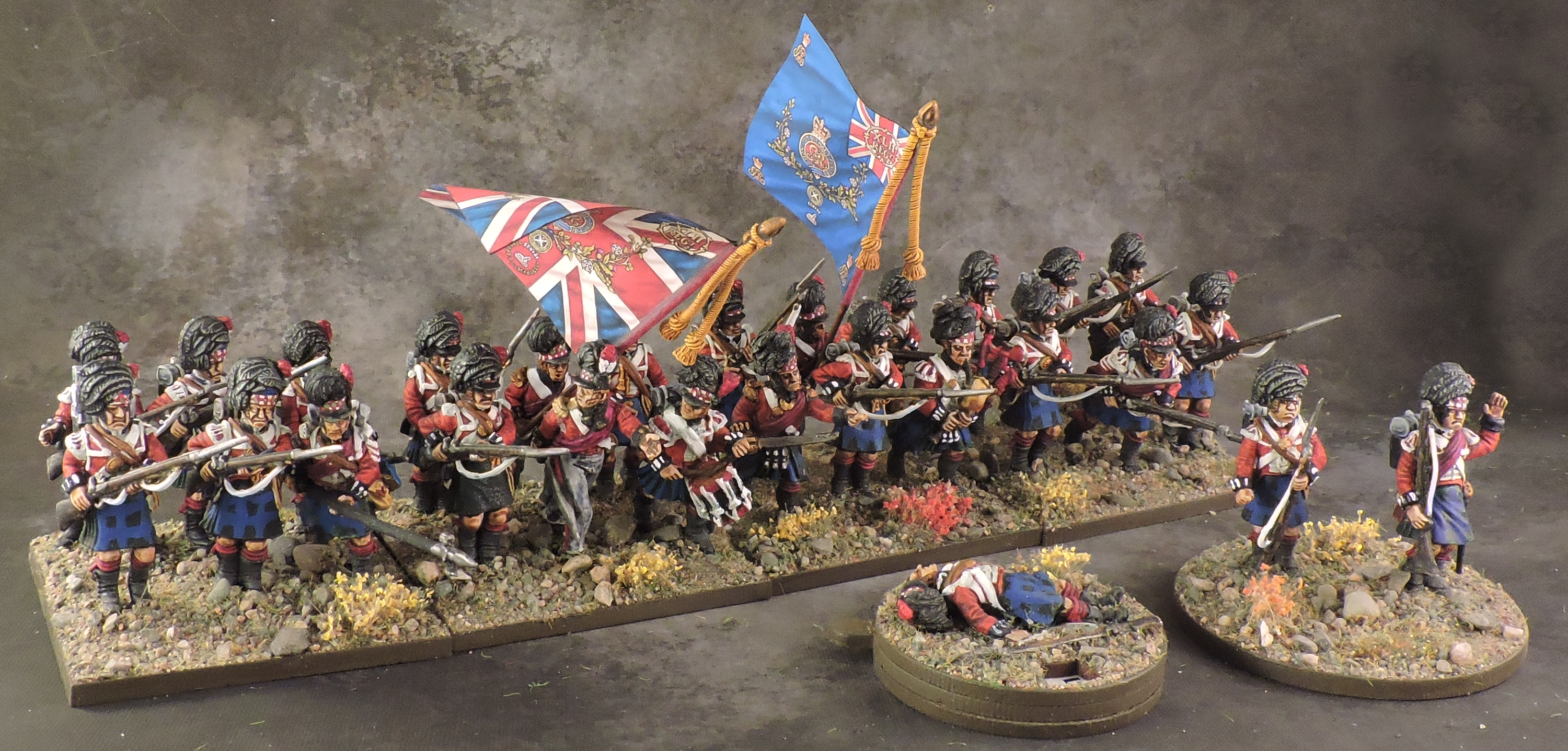

Peninsula Campaign (1808-1814)
The British-led campaign to liberate the Iberian Peninsula was somewhat of a side-show compared to the big clashes in central Europe. It was the only action seen by the British army though and, since wargaming rules largely emerged in Britain, has received quite a lot of coverage in terms of rules and figures. The campaign pits British troops, their Portuguese allies against the French, which Spanish troops active in either side at various points. The resistance of the Spanish population against French occupation also gave us the term “Guerrilla” – literally “little war” – which is covered in several popular skirmish systems.
Age of Industry (1815-1914)
The early 19th century introduces the ingredients for early industrial warfare. Breech-loading rifles, early machine guns, and rapid-fire artillery dramatically increase local firepower. Shock tactics become nearly impossible, and cavalry is relegated to scouting roles. Bright uniforms give way to drab khaki, blue or green, while forward-thinking generals dispense with close formations. Conflicts were typically short, territorial affairs with a limited number of belligerents. Almost all rule systems for this era are made for mass battles at a variety of scales.
National Struggles (1853 to 1909)
The post-Napoleonic rise of national identities led to an explosion of civil and regional conflicts as these new nations test their powers. In Europe, this period includes the Crimean War (1853-1856), the Franco-German War (1870-1871), the Carlist Wars in Spain (1833-1840, 1846-1849, 1872-1876), and several conflicts in the Balkans during the collapse of the Austro-Hungarian Empire. (1876-1909 intermittently). In South America, the War of the Triple Alliance (1864-1870, involving Paraguay, Brazil, Argentina, and Uruguay) and the War of the Pacific (1879-1883, involving Chile, Peru, and Bolivia) sees current/former colonies fight for regional dominance. In Asia, the Boshin War (1868-1869) breaks the power of the Samurai in Japan, followed by series of local and colonial conflicts including the Sino-French War (1883-1885), the Sino-Japanese War (1894-1895), and the Russo-Japanese War (1904-1905). Wargaming in this period tend to be conflict-specific and limited in scope, generally involving evenly matched opponents.
American Civil War (1861-1870)
While conceptually no different than the myriad national struggles listed above, the American Civil War enjoys much broader popularity in the wargaming community. Unlike many other countries who would rather move past the memories of their civil wars, the American Civil War is deeply embedded in the American conscience and consistently one of the most common wargaming era in – you guessed it – the USA. Rule system are generally designed for mass battle and often at smaller figure scale to accommodate the more famous big battles of the era.
Colonial Conflicts (late 18th and 19th century)
The Great Powers of Europe aggressively colonize the rest of the world during the 18th and 19th century. The first wave of these conflicts features Napoleonic-era forces with muskets and cavalry, including the Maratha Wars (1775-1782, 1803-1805, 1817-1818) in India, the Cape Frontier Wars (1779-1879) in South Africa, the Black War (1804-1830) in Australia, and the various campaigns of the Dutch in modern-day Indonesia. By the second wave, the colonial armies had transitioned to rifles and artillery in line with the pre-industrial wars, including the Anglo-Zulu War of 1879 and Boer Wars (1899-1902) in in southern Africa, the Mahdist War (1881–1899) in Sudan, the British expeditions into Afghanistan (1838-1842, 1878-1880, 1919), the Anglo-Sikh War (1845-1846) and Indian Mutiny (1857-1858) on the Indian subcontinent, the Maori Wars (1845-1872) in New Zealand, and the Boxer Rebellion (1894-1901) in China. In both waves the unfortunate victims of the colonial powers are tribal or peasant forces with limited access to gunpowder weapons, leading to very asymmetric battles. Of course, there are also many historical examples of regional conflicts where local forces cheerfully slaughtering each other without the presence of colonial troops. Finally, this is the area of “gunboat diplomacy” which lends itself to combined naval and land combat scenarios.
Manifest Destiny and Beyond (1845-1902)
The belief of white Americans in their divinely ordained destiny to expand triggers a series of expansionist wars, including the Mexican-American War (1846-1848), Plains Wars against Native American tribes (1851-1890), the Philippine-American War (1899-1902), and the Spanish American War of 1898 in Cuba. This is also the period of the Cowboys, which several rule systems capture in Wild West skirmish games – from stage coach chases to shootouts at the OK Corral!
Age of Modern War (1914+)
Many gamer and rule systems treat the two World Wars and later conflicts as very distinct periods. At the lower level of game-play, they certainly offer different dynamics with the trench warfare of WW1, the sweeping Blitzkrieg of WW2 and the “pin-point artillery” theme of modern battles. That said, at the macro level the entire period has a common foundation: Rapid fire weapons such as machine guns make infantry formations obsolete, shock cavalry returns in the form of armoured tanks, and artillery dominates most engagements in terms of destructive power (air power even more so in later conflicts).
World War 1 and the Interwar Period (1914-1922)
The Great War (1914-1919) heralds the beginning of truly modern warfare. Advances of infantry or cavalry become nearly impossible due to the overwhelming firepower available to defenders. Trench war becomes the norm. Wargaming rules for this period tend to focus on skirmish systems that capture the feel of trench raids. More dynamic mass battle opportunities can be found on the eastern front or the subsequent Russian Civil War (1917-1922) and Russo-Polish War (1917-1920). Several smaller interwar conflicts offer unique game-play but are typically less popular.
World War 2 (1935-1945)
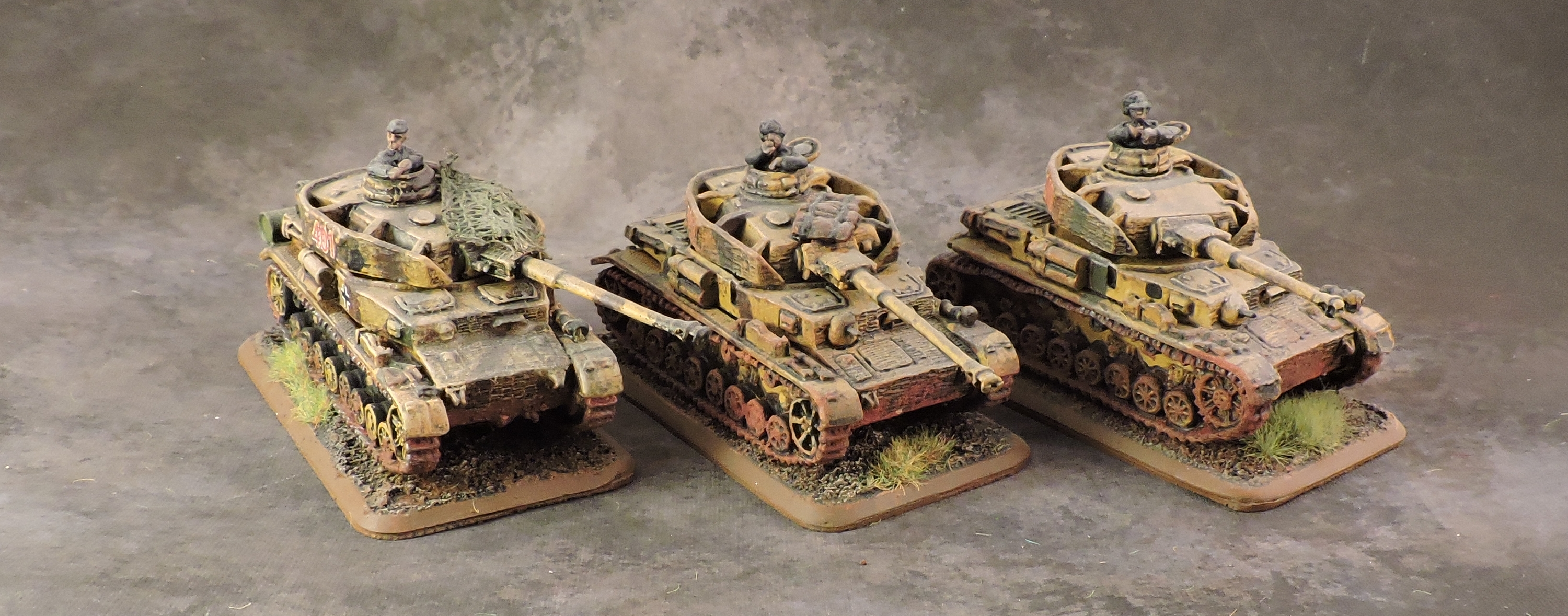
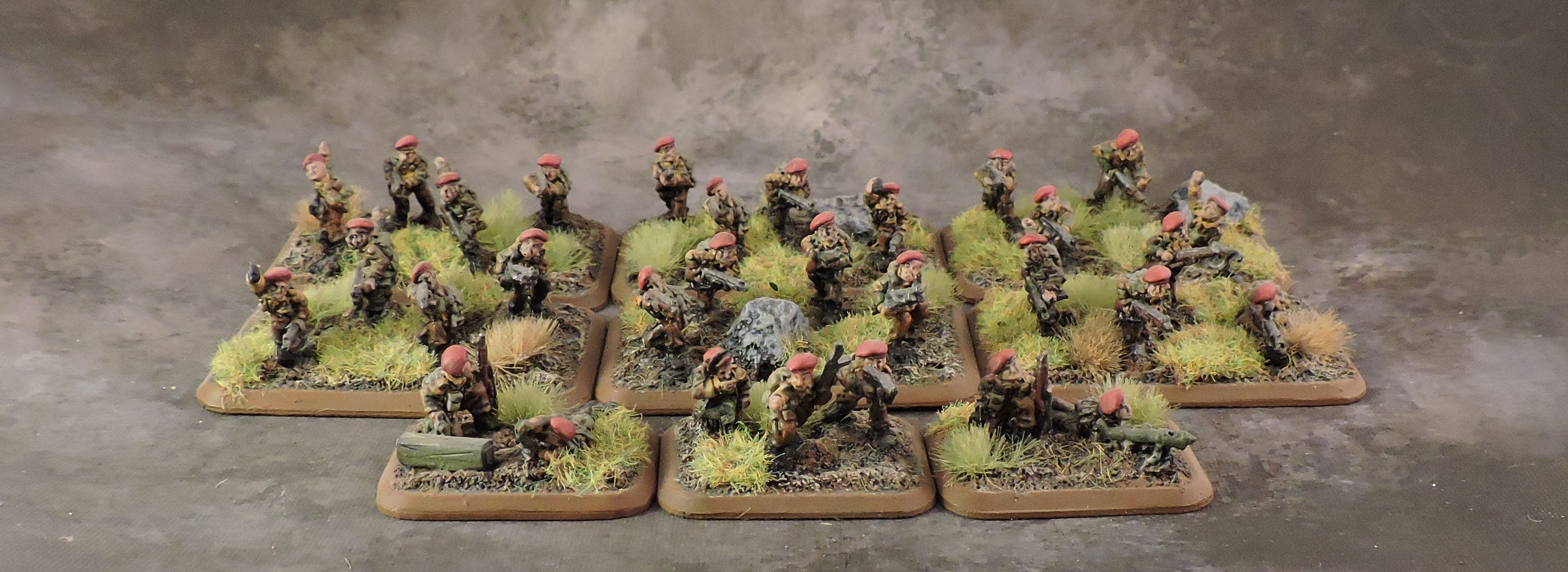
The second World War competes with the Napoleonic era for the most popular wargaming period. Several pre-war conflicts offer variety including the Italo-Ethiopian War (1935-1936) and the Spanish Civil War (1936-1939). Once WW2 is in full swing, the conflict can be broken into the European (1939-1945) and Pacific Theatre (1936-1945). The former involves German, French, Polish, British, Italian, Russian and later American forces plus numerous minor nations, including the unique African campaign during the early years of the war. The Pacific Theatre pits the Japanese against American forces during the island-hopping campaigns, against the British on the Indian subcontinent, and finally against the Chinese during the Sino-Japanese War (1937-1945).
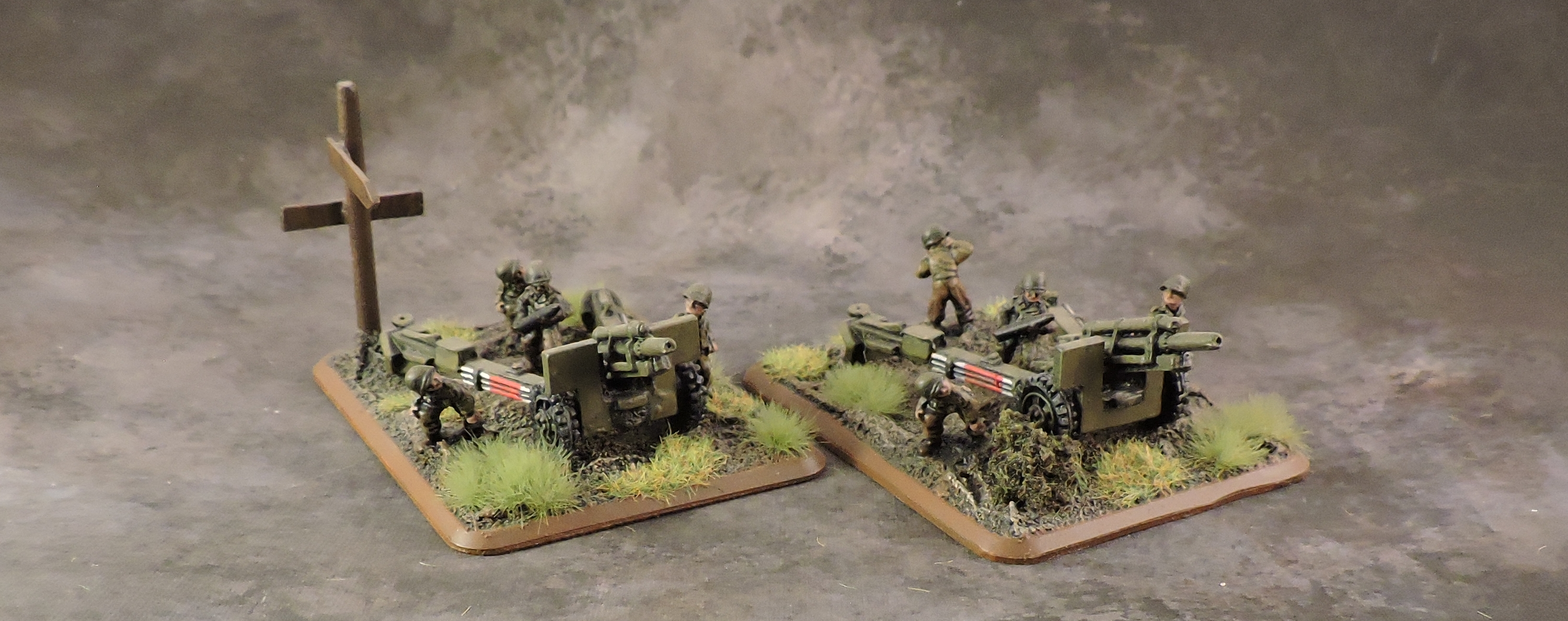
Cold War Proxy Conflicts (1944-1992)
The immediate post-war period sees numerous proxy conflicts between the American-led NATO forces and the Warsaw Pact, including the Greek Civil War (1944-1949), the Korean War (1950-1953), the Vietnam War (1954-1975), and the Afghan War (1978-1992). A common fictional variant for this period is clash between NATO and Warsaw Pact forces during the 1980 in the Fulda Gap in Germany. These are generally seen as the last conventional warfare scenarios with organized armies on both sides, though often already involving civilian insurgents. A popular variant of this era is the Arab-Israeli conflict from the establishment of Israel in 1948 to arguable present day, including the Six Days War (1967), the War of Attrition (1969-1970), and the Yom Kippur War (1973). Another unique variant for this period are the wars of independence and civil wars across Africa.
Gulf Wars (1990-2014)
The most modern conflicts covered by wargaming rules are usually the asymmetric warfare scenarios of America’s adventures in the Middle East, including the Persian Gulf War (1990-1991), the Afghanistan War (2001-2014) and the Iraq War (2003-2011). These generally involve modern American and European forces fighting local insurgencies in skirmish scenarios. While rules exist, this period has significantly lower popularity and comes with sensitivities given the recency of the conflicts.
Age of the Fantastic
While the timeline above covers the full range of historical warfare, fantasy and futuristic wargaming has also gained wide popularity.
Fantasy
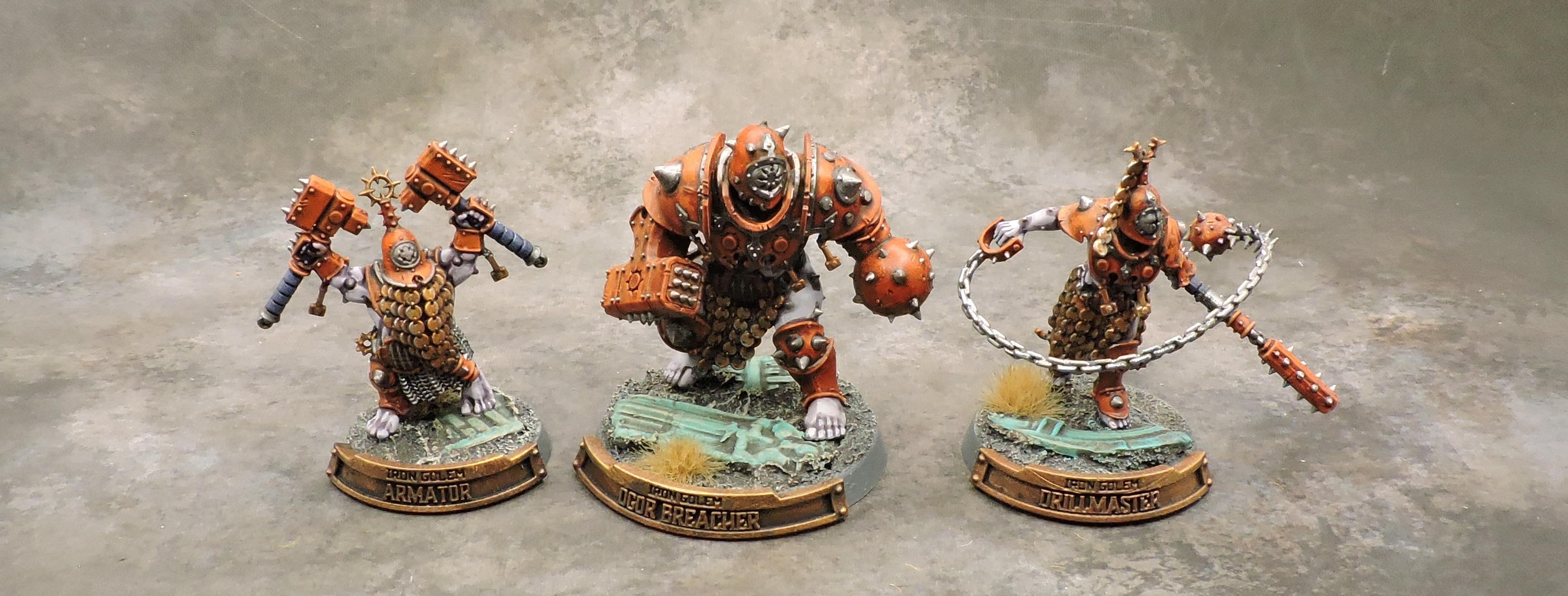
As the name implies, fantasy games are not historical but rather imaginary periods with dragons, daemons and magic. Popular examples are the Warhammer Fantasy Battle game, Kings of War, and a myriad of skirmish systems such as Mordheim, Age of Sigmar, and Warmachine. Fantasy “periods” broadly fall into two categories: low and high fantasy.
Low fantasy worlds are anchored in quasi-ancient or medieval history to provide players with contextual grounding. We all have an intuitive sense that a watermill make sense in a 13th century European village, so it doesn’t feel off when a dragon in the Warhammer Fantasy Old World perches on such a building. In addition to historical geographic and cultural references, low fantasy games introduce a broad range of historical technology – often without the coherence of real history (e.g. bow and arrow, early gun powder and steam engines might all appear in the same setting). Magic and monsters are present, but in moderation so that the live of a typical low fantasy peasant might play out much like his historical counterpart.

High fantasy worlds meanwhile make the fantastic common place. In Age of Sigmar, virtually every unit has mythical elements, magic is everywhere, and legendary heroes fight on even the smallest battlefields. Many high fantasy game systems are functionally equivalent to science fiction games with magic taking the role of ultra-modern technology.
Science Fiction
Similar to the Fantasy “period”, science fiction games using an imaginary world with space crafts, non-human races and often some form of “magic” (e.g. psychic powers, “the force” in Star Wars, etc.). The setting is often dark and brooding to provide reasons for wargaming activities as a Utopian paradise wouldn’t offer much room for battles. For similar reasons, technology on the battlefield is often limited for some reason (e.g. Warhammer 40k armies can fly through the galaxy in giant space ships but troops smash each other with swords). Rule systems for this period vary greatly but in general have higher “destruction rates” than historical or fantasy games. Units will often have the ability to instantly defeat opposing units in a tit-for-tat dynamic compared to more gradual attrition in historical settings.


2 replies on “Wargaming Eras”
A very nice exposition of the topic, and well illustrated, too. :-)
I first got interested in Historical Miniature Wargaming via Joe Morschauser’s book almost 60 years ago, and his brief discussion of the Ancient, Horse and Musket, and Modern periods and the major conflicts within them was great for a newbie!
Great write up. Interesting to consider how historical eras differ in wargaming to general history.